Blog
In a field that evolves daily, staying ahead means staying informed.
Explore in-depth articles designed to help you solve complex challenges,
maximize your machine’s ROI.
Stay ahead in a competitive market.


In a field that evolves daily, staying ahead means staying informed.
Explore in-depth articles designed to help you solve complex challenges,
maximize your machine’s ROI.
Stay ahead in a competitive market.
News | Jul-9-2026
In modern manufacturing, businesses need faster production speed, higher precision, and more flexible processing solutions to remain competitive. Traditional cutting methods often face challenges such as tool wear, limited material compatibility, and high maintenance costs.
An industrial CO2 laser cutter provides an advanced solution for manufacturers looking to improve cutting efficiency and product quality. By using a powerful CO2 laser source, these machines can precisely cut and engrave various non-metal materials with excellent consistency.
Unlike standard desktop laser cutters, an industrial CO2 laser cutting machine is designed for continuous production environments. It offers larger working areas, higher power options, and reliable performance for industries including manufacturing, automotive, packaging, textiles, and customized product production.
With the development of automated manufacturing, more companies are adopting industrial CO2 laser cutters to optimize workflows, reduce labor requirements, and achieve higher production efficiency.
This guide will explain:
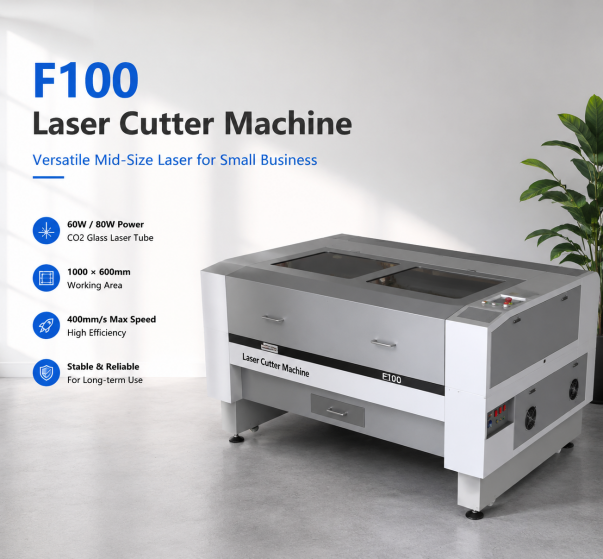
An industrial CO2 laser cutter is a high-performance laser processing system that uses a CO2 laser source to cut, engrave, and mark different materials with high accuracy.
The machine generates a powerful laser beam through a CO2 laser tube. The beam is then focused onto the material surface, creating concentrated heat that melts, burns, or vaporizes the material along a programmed cutting path.
Compared with conventional cutting equipment, an industrial CO2 laser cutting machine provides a non-contact processing method. This means there is no direct physical pressure between the cutting tool and material, reducing mechanical damage and maintenance requirements.
Industrial CO2 laser cutters are commonly used for processing:
For manufacturers requiring precise customization and high-volume production, a reliable CO2 laser cutting system offers a flexible and efficient solution.
Although both systems use laser technology, industrial CO2 laser cutters are designed for much more demanding production environments.
The main differences include:
| Feature | Standard Laser Cutter | Industrial CO2 Laser Cutter |
| Application | Small projects and prototypes | Industrial production |
| Working area | Limited size | Large-format processing |
| Power range | Lower power | Medium to high power |
| Operation time | Occasional use | Continuous production |
| Automation | Basic operation | Advanced automation options |
An industrial CO2 laser cutter focuses not only on cutting ability but also on production stability, efficiency, and long-term reliability.
For businesses handling large quantities of materials, upgrading to an industrial laser cutting machine can significantly improve production capacity.
Understanding how an industrial CO2 laser cutter works helps manufacturers choose the right equipment for their applications.
The cutting process involves several key stages:
The process starts inside the CO2 laser tube, where a mixture of carbon dioxide, nitrogen, and helium gases is electrically excited to generate a high-energy laser beam.
The generated laser beam provides the power required for precise cutting and engraving.
After generation, the laser beam travels through a series of mirrors that guide it toward the cutting head.
A high-quality optical system ensures:
This is especially important for industrial applications where production accuracy must be maintained over long operating periods.
The laser head focuses the beam into a small point with extremely high energy density.
When the focused laser contacts the material:
This process allows an industrial CO2 laser cutting machine to achieve clean edges without mechanical contact.
A complete CO2 laser cutting system includes several important components that work together to ensure stable performance.
The laser tube is the core power source of the machine.
It determines:
Different applications require different laser power levels. Higher-power industrial CO2 laser cutters are suitable for faster processing and thicker materials.
The laser head controls the position and focus of the laser beam.
A precision laser head helps achieve:
The motion system controls the movement of the laser head across the working area.
Industrial systems typically use:
These features allow manufacturers to achieve repeatable results during continuous production.
A cooling system maintains stable operating temperatures for the laser source.
Proper cooling helps:
During laser cutting, smoke and particles may be produced.
An effective exhaust system helps:
An industrial CO2 laser cutter is becoming an essential solution for manufacturers that require precision, flexibility, and efficient production. Compared with traditional cutting methods, CO2 laser technology provides multiple advantages for industrial processing.
By combining high-power laser performance with advanced control systems, an industrial CO2 laser cutting machine helps businesses improve productivity while maintaining consistent product quality.
One of the biggest advantages of an industrial CO2 laser cutter is its ability to process materials quickly and efficiently.
Traditional cutting methods often require manual adjustment, tool replacement, and additional finishing processes. In comparison, laser cutting uses a non-contact process that reduces production interruptions.
Key efficiency advantages include:
For manufacturers handling large production volumes, a high-performance industrial CO2 laser cutting machine can significantly improve workflow efficiency.
Efficiency is at the heart of industrial manufacturing. To give you a better sense of the rapid processing capabilities mentioned above, we have included a demonstration of our laser system in action.
Video: 2000mm/s High-Speed Laser Engraver in Action
This clip highlights the system’s ability to maintain high precision even at speeds of 2000mm/s, showcasing how industrial-grade technology can significantly accelerate your production workflow while ensuring consistent edge quality.
Precision is critical in industries where product appearance and dimensional accuracy directly affect quality.
An industrial CO2 laser cutter uses a focused laser beam to achieve detailed and accurate cutting results without physical contact with the material.
Benefits include:
This makes industrial CO2 laser cutting technology suitable for applications requiring detailed designs and consistent production results.
A major advantage of an industrial CO2 laser cutter is its ability to process a wide range of non-metal materials.
Unlike some cutting technologies that are limited to specific materials, CO2 laser systems are highly versatile.
Common materials processed by industrial CO2 laser cutting machines include:
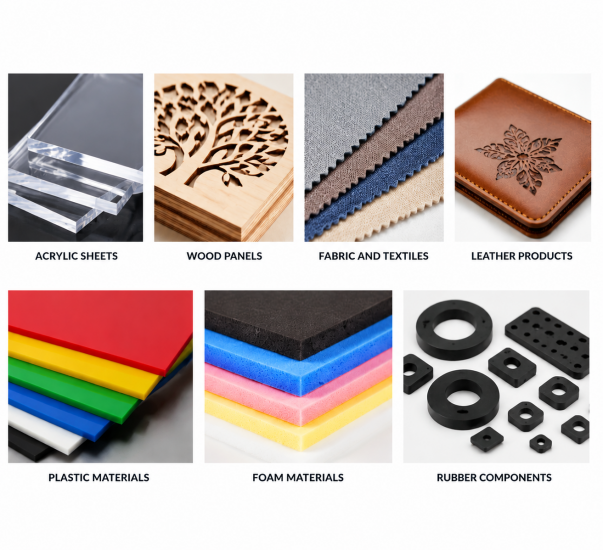
This flexibility allows manufacturers to use one CO2 laser cutting system for multiple production applications.
Manufacturers are increasingly choosing industrial CO2 laser cutters because they can reduce long-term operating costs.
Traditional cutting processes may involve:
A laser cutting system offers advantages such as:
For businesses looking to optimize manufacturing costs, investing in an industrial laser cutting machine can provide long-term value.
Due to their flexibility and precision, industrial CO2 laser cutters are widely used across different industries.
From customized products to large-scale manufacturing, CO2 laser technology helps businesses achieve faster and more accurate production.
In general manufacturing, an industrial CO2 laser cutting machine provides an efficient solution for processing customized parts and components.
Manufacturers use CO2 laser systems for:
The ability to quickly change cutting designs through digital files makes laser cutting ideal for modern flexible manufacturing.
The automotive industry requires high precision and reliable production methods.
An industrial CO2 laser cutter can process various automotive-related materials, including:
Laser cutting improves production flexibility while maintaining consistent quality for automotive suppliers.
Electronic products often require precise processing without damaging sensitive materials.
An industrial CO2 laser cutting machine can provide accurate cutting for:
The non-contact cutting process helps reduce material damage and improve manufacturing accuracy.
With increasing demand for personalized products, businesses need flexible cutting solutions that can handle different designs and materials.
An industrial CO2 laser cutter allows companies to create:
For packaging manufacturers and branding companies, CO2 laser technology provides faster design changes and efficient small-batch production.
The textile and leather industries benefit greatly from the speed and precision of industrial CO2 laser cutters.
Laser cutting is widely used for:
Compared with manual cutting, laser systems provide cleaner edges and improve material utilization.
Choosing the right cutting technology is an important decision for manufacturers.
Understanding the differences between an industrial CO2 laser cutter and other cutting methods helps businesses select the most suitable solution.
Both CO2 laser cutters and CNC routers are widely used in industrial processing, but their working principles are different.
| CO2 Laser Cutter | CNC Router |
| Non-contact cutting | Mechanical cutting |
| No tool wear | Requires tool replacement |
| Faster for thin materials | Suitable for thicker materials |
| Cleaner cutting edges | May require additional finishing |
An industrial CO2 laser cutter is often preferred for applications requiring high precision, detailed patterns, and fast processing.
A CNC router may be more suitable for heavy-duty cutting of thick materials.
CO2 and fiber lasers are designed for different material applications.
| CO2 Laser Cutter | Fiber Laser Cutter |
| Best for non-metal materials | Best for metal materials |
| Acrylic, wood, fabric, leather | Steel, aluminum, copper |
| Large-format cutting applications | Metal marking and cutting |
For manufacturers working mainly with non-metal materials, an industrial CO2 laser cutting machine is usually the more suitable choice.
Selecting the correct industrial CO2 laser cutter depends on several important factors, including material type, production volume, and automation requirements.
Laser power directly affects cutting speed and material thickness capability.
Common power options include:
Suitable for:
Suitable for:
Suitable for:
Choosing the right power level ensures better efficiency and avoids unnecessary investment costs.
The working area determines the maximum material size that can be processed.
When selecting an industrial CO2 laser cutting machine, manufacturers should consider:
A larger working area can improve production efficiency by reducing material handling time.
Industrial equipment requires stable operation over long periods.
Before purchasing an industrial CO2 laser cutter, businesses should evaluate:
A reliable laser supplier can help manufacturers maintain stable production performance.
Modern industrial laser systems can include automation options to improve productivity.
Common automation features include:
These features allow companies to reduce manual operations and improve overall manufacturing efficiency.
Proper maintenance helps extend the lifespan and performance of an industrial CO2 laser cutter.
Laser mirrors and lenses directly affect cutting quality.
Regular cleaning helps:
The cooling system plays an important role in stable laser operation.
Manufacturers should regularly check:
Proper cooling maintenance helps extend the service life of the laser source.
A clean exhaust system improves both machine performance and working conditions.
Regular inspection ensures:
Cleaner production environment
Effective smoke removal
Better cutting quality
An industrial CO2 laser cutter can process many non-metal materials, including acrylic, wood, fabric, leather, plastic, foam, and rubber.
The exact cutting ability depends on laser power, material thickness, and machine configuration.
The required power depends on:
Manufacturers should select laser power based on actual production needs rather than choosing the highest power option.
Yes. Industrial CO2 laser cutters are designed for continuous manufacturing environments.
With features such as automation systems and large working areas, they can support:
The lifespan depends on:
Regular maintenance and proper operation can significantly extend equipment service life.
An industrial CO2 laser cutter provides manufacturers with a powerful solution for precision cutting, flexible production, and improved efficiency.
Compared with traditional cutting methods, CO2 laser technology offers:
For businesses working with acrylic, wood, fabric, leather, plastic, and other non-metal materials, an industrial CO2 laser cutting machine can help optimize production processes and achieve better product quality.
Choosing the right laser system requires careful consideration of:
Looking for a reliable industrial CO2 laser cutter for your manufacturing applications?
MimoWork Laser provides professional CO2 laser cutting solutions designed for different industries and production requirements.
Contact our laser experts today to discuss your materials, application needs, and customized laser cutting solution.
Request a quote now and discover how an industrial CO2 laser cutter can improve your production efficiency.
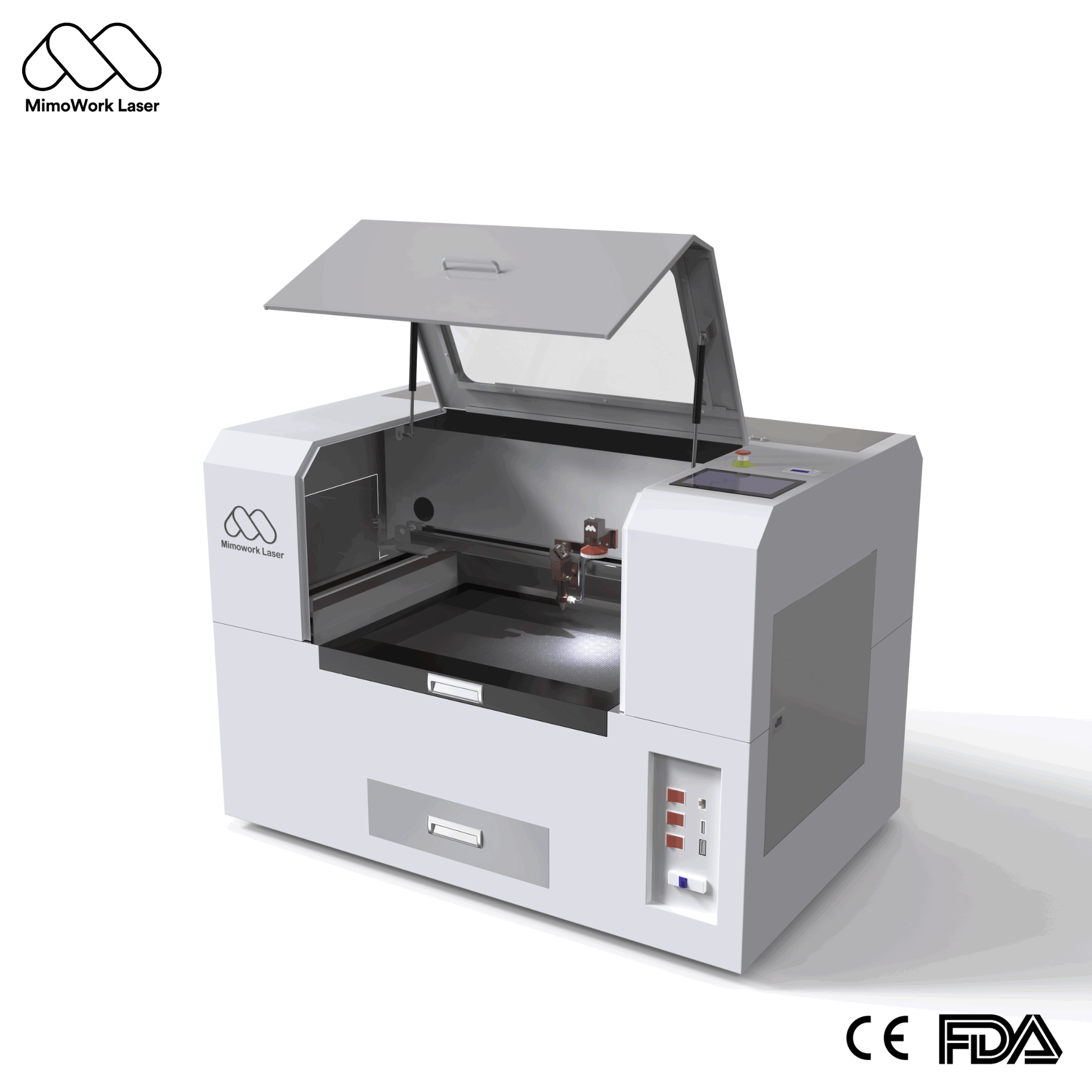
News | Jul-9-2026
News | Jul-1-2026
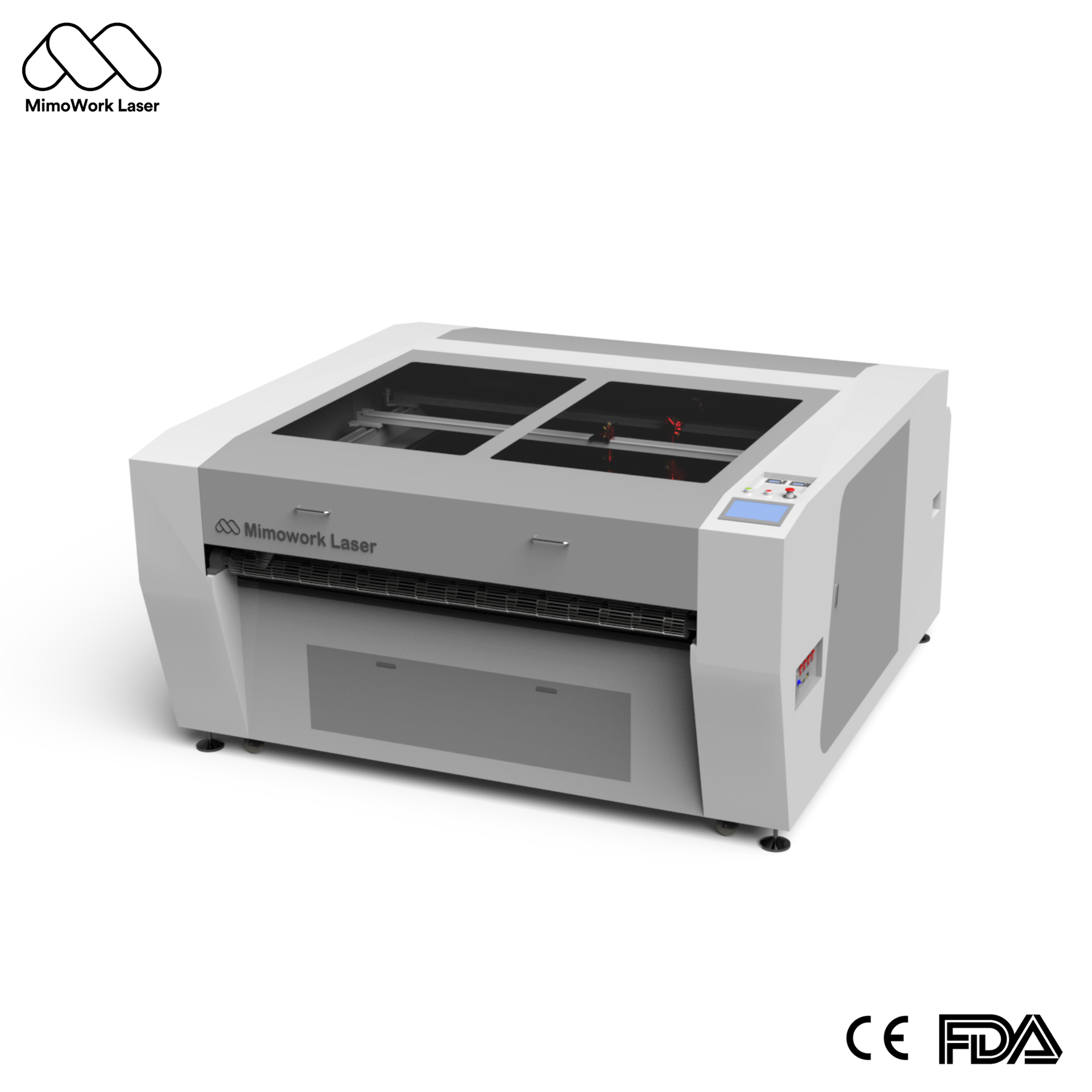
News | Jun-22-2026
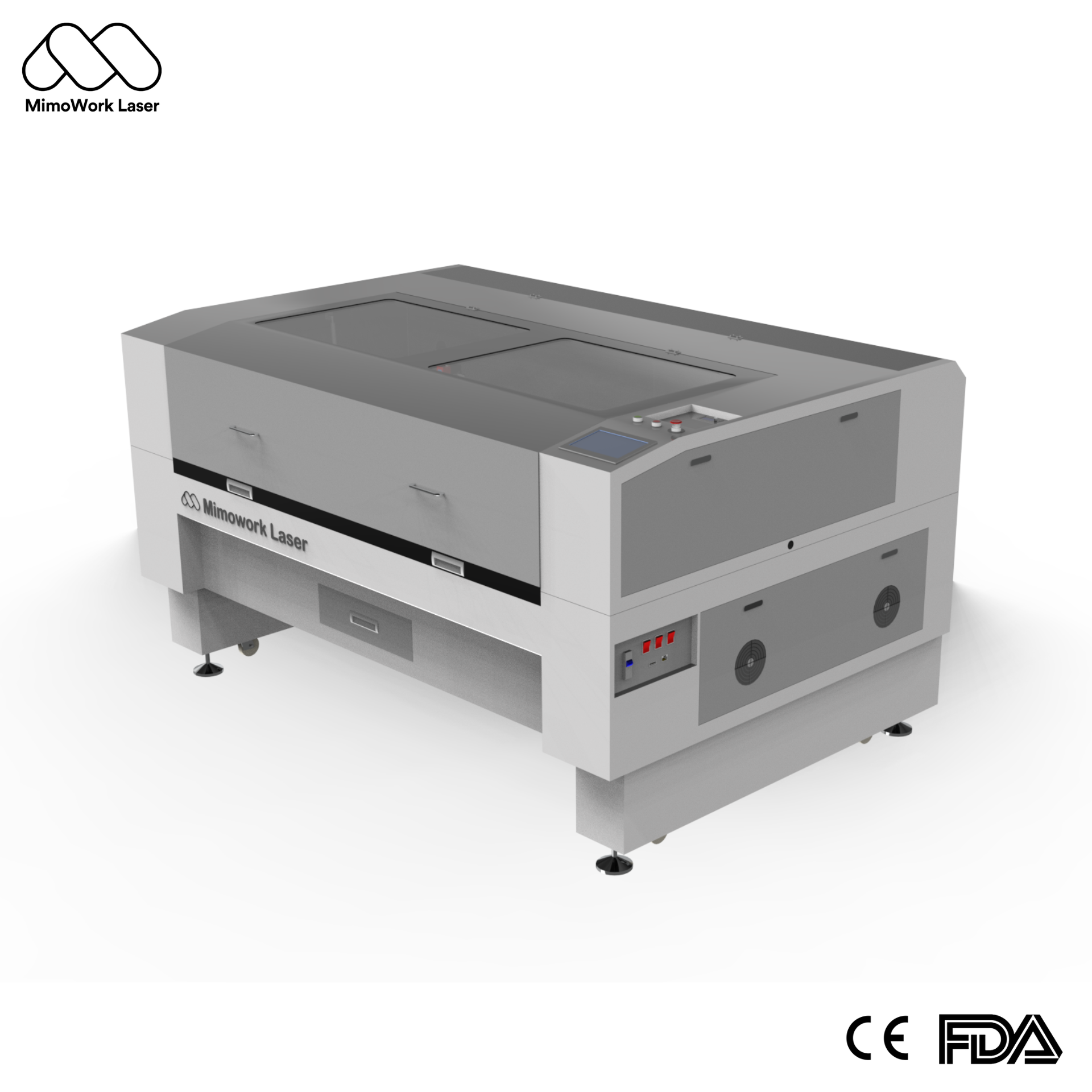
News | Jun-15-2026