Blog
In a field that evolves daily, staying ahead means staying informed.
Explore in-depth articles designed to help you solve complex challenges,
maximize your machine’s ROI.
Stay ahead in a competitive market.


In a field that evolves daily, staying ahead means staying informed.
Explore in-depth articles designed to help you solve complex challenges,
maximize your machine’s ROI.
Stay ahead in a competitive market.
News | Jun-22-2026
Having the right equipment can give you finer detail and cleaner cuts, and save you hours of physical labor working with wood. When creating personalized gifts, signs, furniture components, or decorative items, selecting the best laser wood cutter and engraver is a must.
This tutorial covers how technology works, what the most important features are, and how to select a system that fits your production needs.
A laser wood cutter and engraver is a computer-controlled (CNC) machine that uses a highly focused beam of light to precisely cut through or carve designs into wood.
A laser wood cutter and engraver cuts or etches wood using a focused laser beam, based on a computer design. You can produce intricate designs with a high degree of consistency without physically touching the material with a blade.
It can be used for plywood, MDF, hardwood, softwood, bamboo, veneer, and cork.
You may benefit from it if you are:
Many small systems can be good laser wood engraving machines for beginners.
A laser wood cutter and engraver works by directing a highly concentrated, focused beam of light onto a wood surface to heat, melt, and instantly vaporize the material without any physical contact.
A CO₂ laser cutting machine works by running an electric current through a gas-filled tube to create a high-power infrared light beam, bouncing that beam off a series of mirrors into a cutting head, and using a lens to focus the light until it melts, burns, or vaporizes the material.
A CO2 system covers most wood applications:
For woodworking businesses, an affordable CO2 laser cutter engraver is often the best option.
A fiber laser cutting machine works by using an active optical fiber to create a high-power laser beam, focusing that beam through a cutting head onto a material’s surface, and melting or vaporizing it while a high-pressure assist gas blows the molten debris away.
Here is a table comparing laser cutting and engraving.
| Parameter | Laser Cutting | Laser Engraving |
| Laser Power | Higher power | Lower power |
| Material Processing | Full material penetration | Surface material removal |
| Processing Speed | Slower movement for thicker boards | Faster scanning speed |
| Result | Cuts through the material to create shapes and parts | Creates text, patterns, or images with adjustable engraving depth |
You can choose the right machine depending on the material, power, precision, and processing area.
Your choice of material matters a lot in deciding on a purchase. A CO2 laser engraver for wood does a pretty good job with MDF, birch plywood, bamboo, hardwood, veneer, and cork.
Select the laser power to meet your production requirements.
General guidance:
Never buy more power than you need, but always match the power to your usual workload.
Consider the following before choosing a machine model
A desktop laser wood cutter engraver may be enough for small projects.
If you are working with large panels, opt for a larger workspace that will fit in with your production flow.
Investing in a machine is only part of the purchase. You also have to check for:
Reliable after-sales service can reduce downtime in the long run.
Here is the breakdown of primary laser technologies used for cutting and engraving materials.
Pros of Fiber Laser
Cons of Fiber Laser
Pros of CO2 Laser
Cons of CO2 Laser
Entry Level
Professional Level
Your best value depends on your workload.
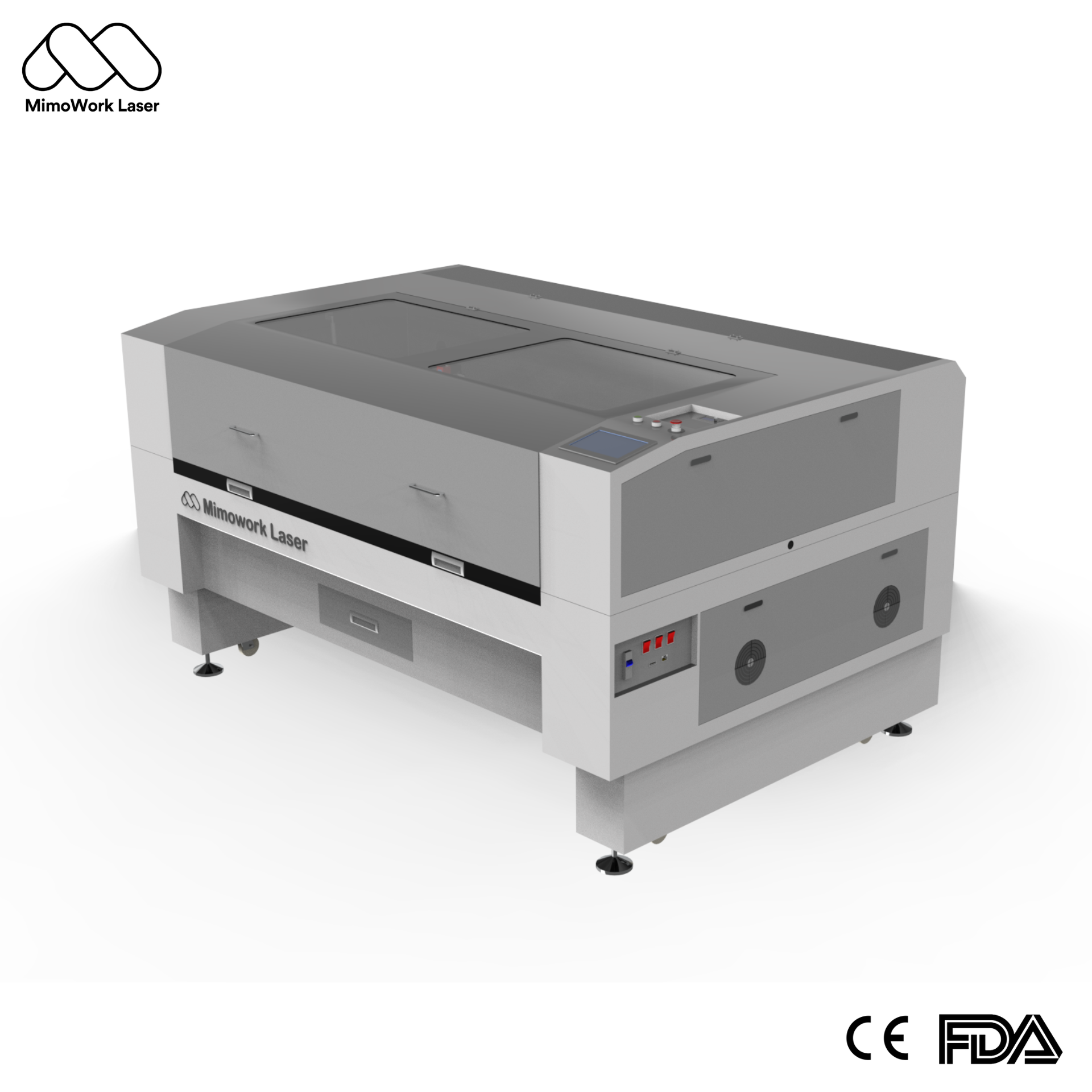
F100 Laser Cutting Machine for small custom orders & hobby projects
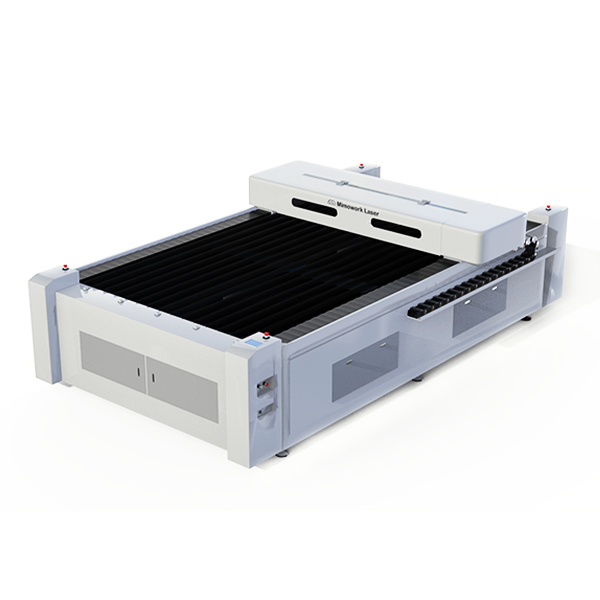
F130-L Laser Cutting Machine for small business & workshop expansion
Here are common tips to remember for better production results.
Different woods react differently to engraving.
For example:
You should always perform a short material test before production.
Small things make a big difference.
Follow simple maintenance procedures:
Some popular applications are:
CO2 lasers are generally better at cutting wood materials, so they are recommended for most applications that involve cutting and engraving wood.
It depends on the type and thickness of the wood. Higher power CO2 systems generally provide better productivity and faster cutting for thicker materials.
You can increase the results by:
Yes. Engineered wood products such as veneers, bamboo, MDF, and plywood can be processed through various processes. Always verify the composition of the materials prior to production.
The first step to choosing the best laser wood cutter and engraver is understanding your materials, production goals, and expected workload. A suitable CO2 system can deliver precision cutting, intricate engraving, and dependable long-term service for a wide range of woodworking applications. If you want to improve your production and efficiency, check out Mimowork’s best wood laser engraver today.
News | Apr-24-2026
News | May-18-2026