Blog
In a field that evolves daily, staying ahead means staying informed.
Explore in-depth articles designed to help you solve complex challenges,
maximize your machine’s ROI.
Stay ahead in a competitive market.


In a field that evolves daily, staying ahead means staying informed.
Explore in-depth articles designed to help you solve complex challenges,
maximize your machine’s ROI.
Stay ahead in a competitive market.
News | Aug-17-2026
Imagine you run a custom manufacturing business. One customer needs a detailed wooden sign, while another wants permanent markings on stainless steel parts. Both jobs require precision, but the processing methods are completely different.
This is why choosing a laser engraver for wood and metal can be challenging. Many buyers focus only on laser power or machine size, but the most important factor is whether the laser technology matches the materials and applications they work with.
A good laser solution should not only handle today’s projects but also support future production needs.
The answer depends on what you need to do.
Wood and metal have different characteristics:
For most businesses, one universal machine is not always the best solution. Instead, choosing the right laser type based on the material can deliver better results.
| Material | Main Processing Need | Recommended Laser Type |
| Wood | Cutting, engraving, shaping | CO2 Laser |
| MDF/Plywood | Cutting panels and decorative designs | CO2 Laser |
| Stainless Steel | Permanent marking | Fiber Laser |
| Aluminum | Logos, serial numbers, codes | Fiber Laser |
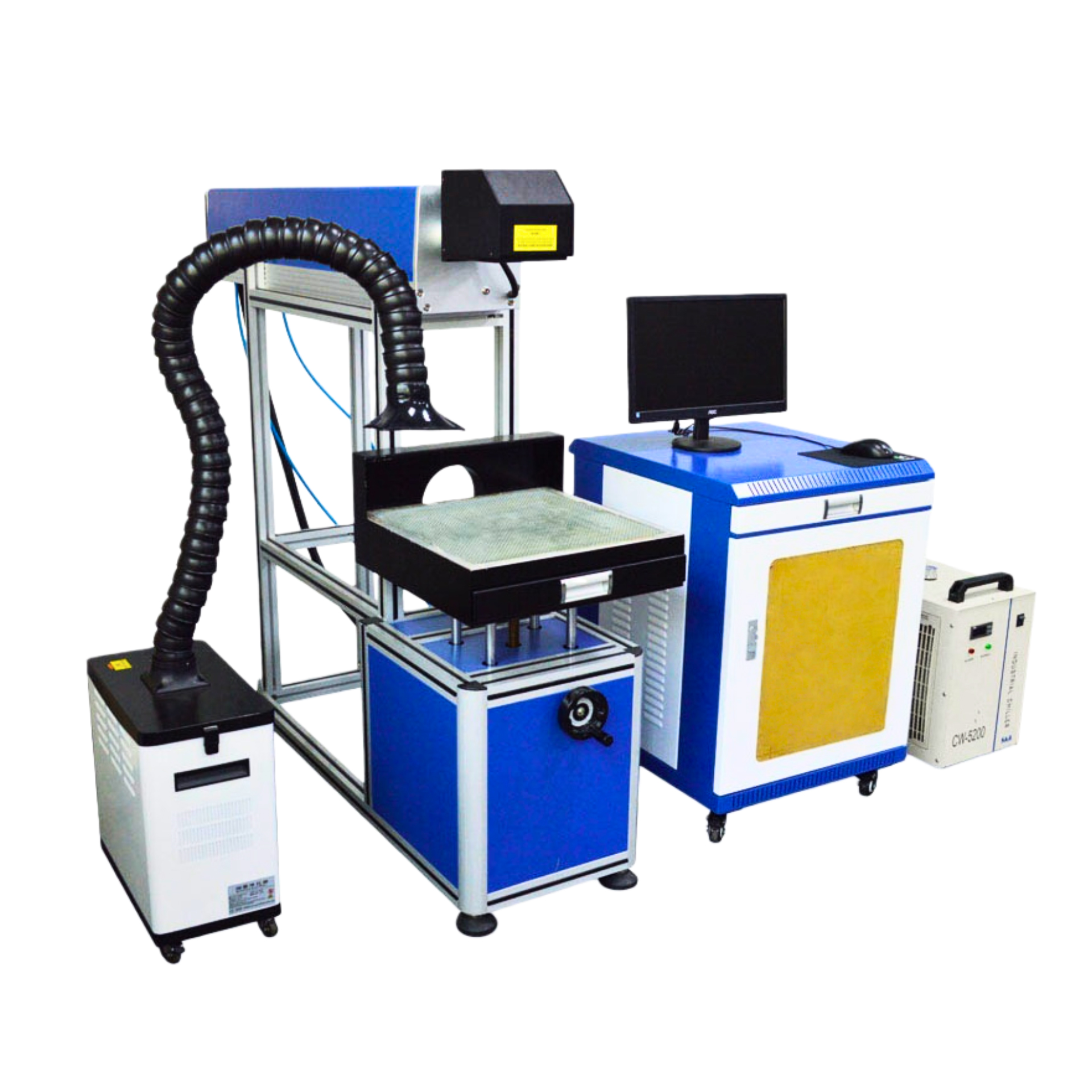
If your main applications involve wood products, a CO2 laser engraver for wood cutting and engraving is designed to provide clean cutting and detailed engraving results.
CO2 laser systems are commonly used for:
Compared with traditional cutting methods, laser processing provides:
For businesses producing different wood products, working area and laser power are also important factors. Larger CO2 laser platforms can handle bigger sheets and improve production efficiency for commercial applications.
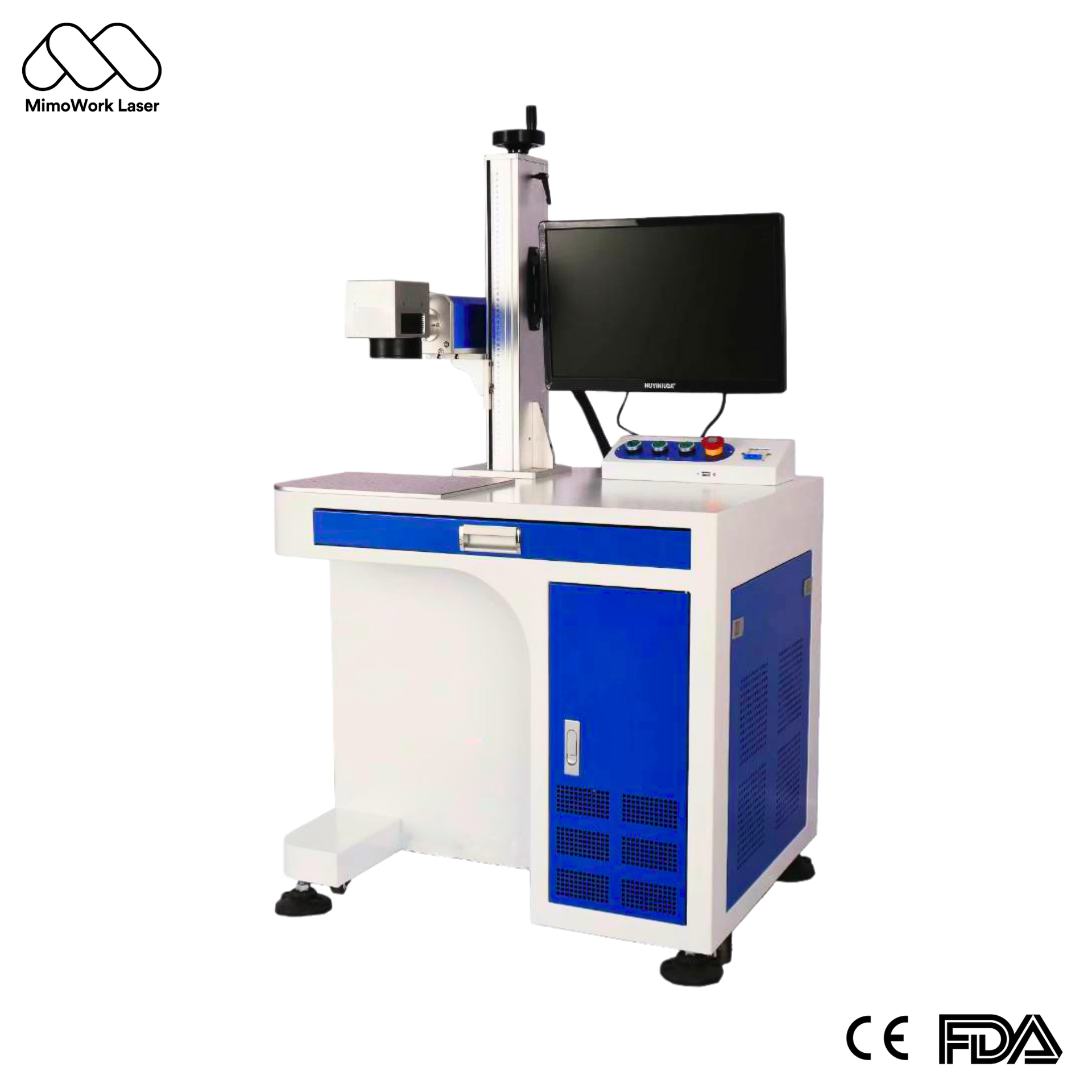
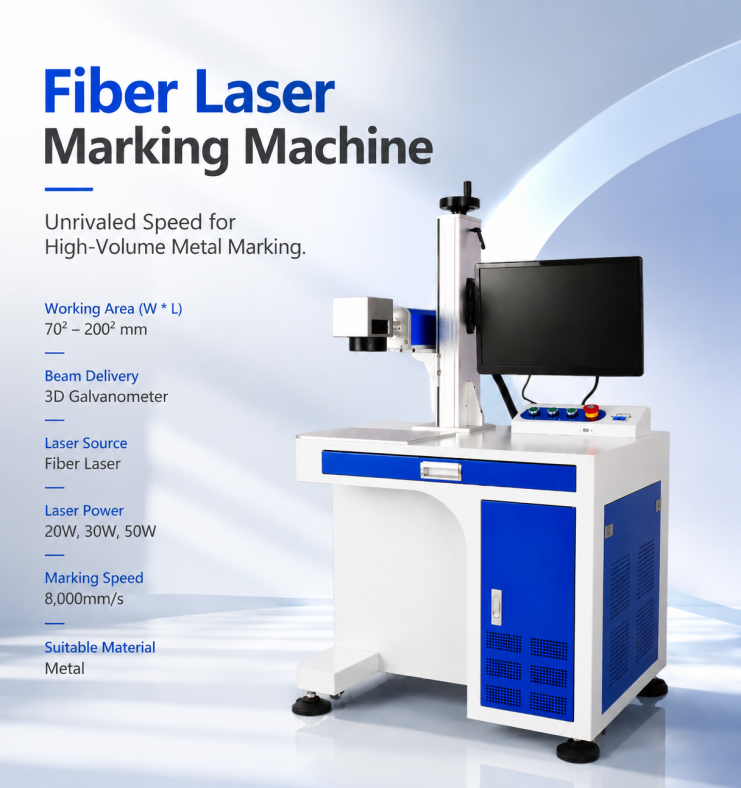
When the goal is metal marking rather than cutting, a fiber laser engraver for metal marking is usually the better choice.
Fiber laser technology is widely used for:
Unlike wood processing, metal applications usually require permanent and highly accurate surface marking. Fiber lasers create durable marks while maintaining the quality of the material.
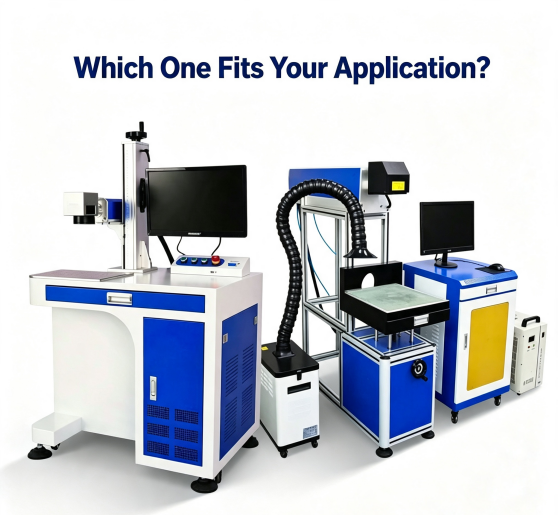
There is no single best laser for every business. The right choice depends on your main materials and production goals.
| Feature | CO2 Laser | Fiber Laser |
| Best Materials | Wood, acrylic, leather, fabric | Metal |
| Main Function | Cutting and engraving | Marking and engraving |
| Best Applications | Signs, furniture, crafts | Industrial parts, identification |
| Main Advantage | Large working area and versatile processing | High precision metal marking |
For businesses working with both wood and metal, combining different laser technologies can create a more flexible production workflow.
Before investing in a machine, consider these key questions:
Your main material determines the laser technology you need. Wood-focused businesses usually benefit from CO2 laser systems, while metal-focused applications require fiber laser solutions.
Cutting and marking are different processes.
Small machines may work well for personalized products, while larger working areas are better for signs, panels, and batch production.
Choosing the best laser engraver for wood and metal applications means finding the right balance between material, production volume, and future growth.
A successful laser investment starts with understanding your workflow.
For wood cutting and engraving, CO2 laser systems provide the flexibility needed for materials such as plywood, MDF, hardwood, and other non-metal materials. Different working sizes and power options allow businesses to choose equipment based on their production requirements.
For metal marking, fiber laser systems provide the accuracy and durability needed for industrial identification, logos, and component marking.
Whether your business focuses on customized products, signage, or industrial manufacturing, selecting the right laser technology can improve efficiency and expand your production possibilities.
Choosing a laser machine is not only about selecting the right laser type. It is also about finding a reliable solution provider that understands your materials, production goals, and future growth.
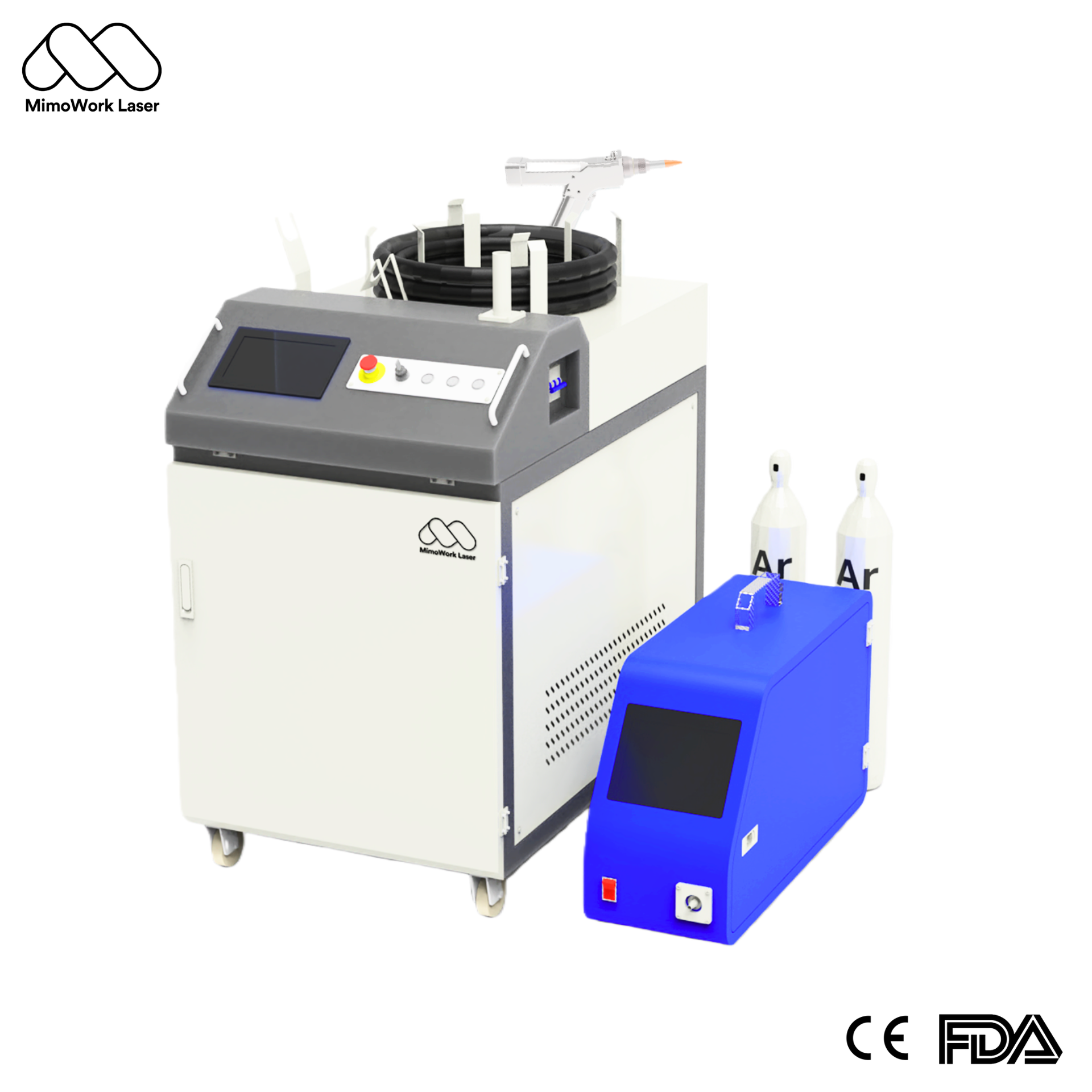
Mimowork provides laser solutions for both non-metal and metal applications, including CO2 laser systems for materials such as wood, acrylic, and fabric, as well as fiber laser systems for metal marking, engraving, welding, and other industrial applications.
Instead of offering a one-size-fits-all machine, Mimowork focuses on matching the right laser technology with each customer’s specific workflow. Whether you need a CO2 laser cutter for wooden signs and customized products or a fiber laser solution for permanent metal marking, the equipment can be selected according to your material, processing method, and production requirements.
Key reasons businesses choose Mimowork include:
When choosing a laser engraver for wood and metal, the best solution is not always the most powerful machine. It is the one that fits your materials, workflow, and business goals. With the right laser technology and professional support, you can expand your applications while maintaining high-quality production.
It depends on the application. CO2 lasers are ideal for wood cutting and engraving, while fiber lasers are better suited for permanent metal marking.
A CO2 laser system is commonly used for wood because it can provide clean cutting and detailed engraving on materials like plywood, MDF, and hardwood.
Some coated metals can be processed, but fiber lasers are generally more suitable for permanent marking on bare metals.
The required power depends on material thickness, cutting requirements, and production speed. Higher power is usually needed for thicker materials and faster production.
Start by identifying your main materials, production goals, working area requirements, and whether you need cutting or marking. The right machine should match your actual workflow.
A laser engraver for wood and metal is not about choosing the most powerful machine. It is about choosing the right technology for your materials and applications. By understanding the differences between CO2 and Fiber laser systems, businesses can create a more efficient and reliable production process.
News | Aug-11-2026
News | Jul-24-2026