Blog
In a field that evolves daily, staying ahead means staying informed.
Explore in-depth articles designed to help you solve complex challenges,
maximize your machine’s ROI.
Stay ahead in a competitive market.


In a field that evolves daily, staying ahead means staying informed.
Explore in-depth articles designed to help you solve complex challenges,
maximize your machine’s ROI.
Stay ahead in a competitive market.
News | Sep-30-2026
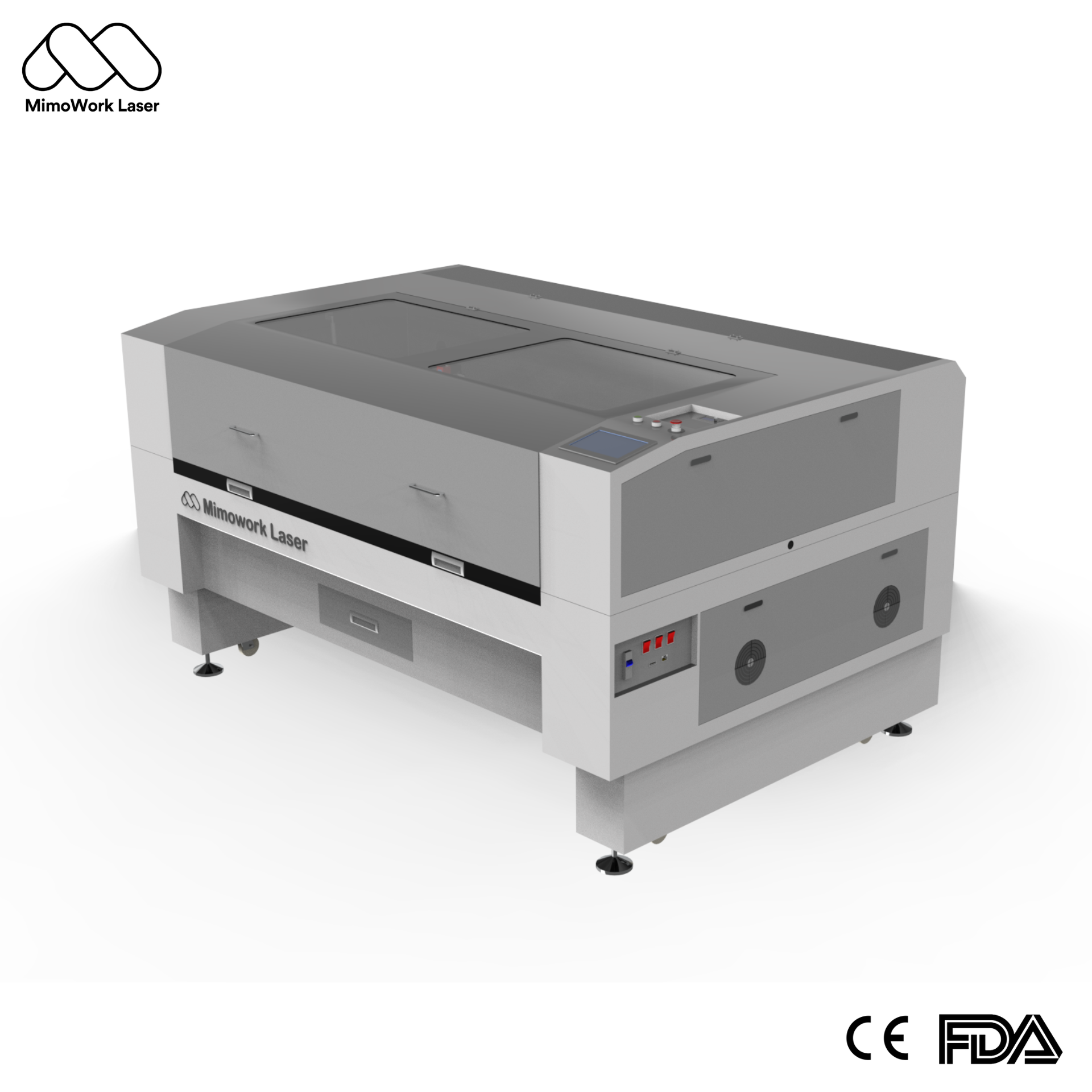
An 80W CO2 laser engraver is a practical middle-ground for users who need more cutting capacity than a 60W machine without moving into a higher-power industrial system. As an 80W CO2 laser cutter, it can handle a range of non-metal materials while providing more cutting headroom for small-business production.
The key is to look beyond the wattage. Working area, cooling, motion system, fume extraction, software, and daily workload all affect how well an 80W machine fits your production.
An 80W CO2 laser engraving machine uses a CO2 laser source to generate an infrared beam, typically at a wavelength of 10.6 μm. The beam is directed through mirrors and a focusing lens to engrave or cut compatible materials.
The 10.6 μm wavelength is strongly absorbed by many organic and non-metal materials. When the focused beam reaches the workpiece, the material absorbs the laser energy and is rapidly heated, vaporized, or thermally removed.
This makes CO2 lasers suitable for both surface engraving and through-cutting. The final result depends on more than wavelength, however. Lens selection, focus, air assist, speed, power settings, and material composition all affect the cut.
80W sits between common 60W and 100W configurations.
For many workshops, this extra power provides useful cutting headroom without requiring the larger machine format normally associated with higher-power systems. It can also reduce the number of passes needed on medium-thickness materials.
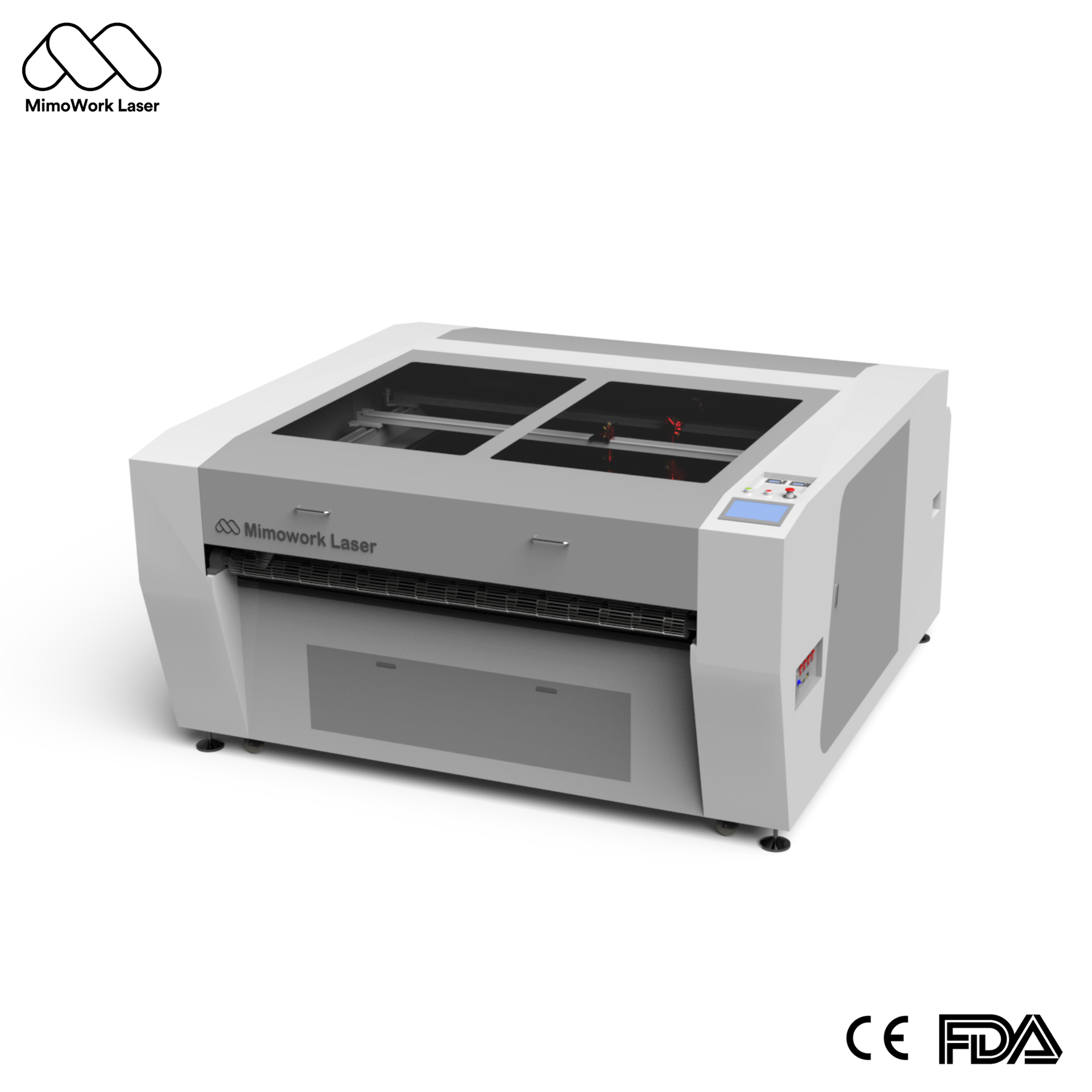
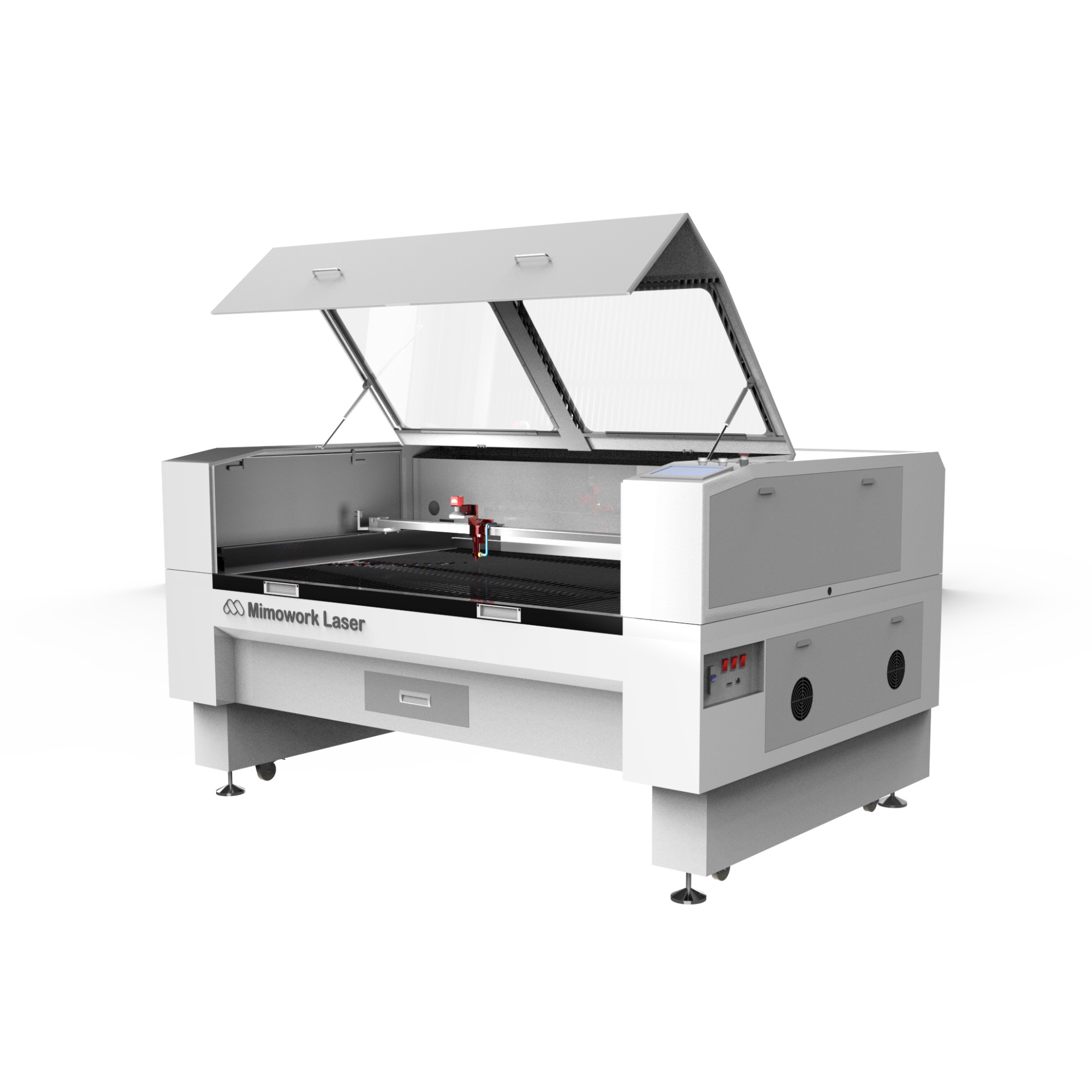
MimoWork’s F100 is available with 60W and 80W CO2 glass laser tube configurations and provides a 1000 × 600mm working area.
An 80W CO2 laser is mainly a non-metal processing machine. Wood, acrylic, leather, fabric, and paper are among the most common materials.
Wood is one of the most common applications for an 80W CO2 laser engraver.
For users looking for an 80W laser engraver, wood and MDF are among the most practical materials to start with, especially for signs, gifts, decorative products, and prototypes.
A CO2 laser can produce clean, polished-looking edges on many acrylic sheets when the material and settings are suitable.
Not every plastic is suitable for laser processing. Some plastics can release hazardous fumes or produce poor cutting results, so the material composition should be confirmed before processing.
Leather, synthetic leather, felt, fabric, and some textiles can also be processed with an 80W CO2 system.
For fabrics, the combination of laser power, cutting speed, air assist, and material structure is important because excessive heat can create discoloration or unwanted edge effects.
Paper, cardboard, cork, wood veneer, rubber, and certain coated materials are also common CO2 laser applications.
The important distinction is that material compatibility should be checked before production, particularly for plastics and coated materials.
An 80W CO2 laser cutting machine provides useful cutting capacity for small-business production, but there is no single maximum thickness that applies to every material.
As a practical starting point, an 80W CO2 laser can handle medium-thickness wood and acrylic more comfortably than a 60W system.
| Material | Main Consideration |
| Acrylic | Edge quality and cutting speed |
| Plywood | Glue composition and density |
| MDF | Density and resin content |
| Wood | Species and moisture |
| Leather | Thickness and composition |
| Fabric | Heat and edge quality |
| Paper/cardboard | Speed and fire control |
For engraving, an 80W machine can provide high-detail results while retaining enough power for cutting applications.
For 80W CO2 laser cutting, the actual result depends on material thickness, density, focus, air assist, cutting speed, and the condition of the laser tube.
Consider moving above 80W when thicker materials, long cutting jobs, or production volume consistently become the bottleneck.
A 100W–150W configuration may make more sense when you regularly need:
If most of your work stays below the practical range of an 80W machine, upgrading simply for a larger wattage number may not improve the workflow proportionally.
The main difference is cutting headroom rather than a completely different range of applications.
| Power | Typical Position | Suitable Workload | Cutting Headroom |
| 60W | Entry / light production | Crafts, gifts, thin materials | Lower |
| 80W | Small-business production | Signs, acrylic, wood, custom products | Medium |
| 100W | Higher production demand | Thicker materials, larger workloads | Higher |
A 60W machine can already process many common CO2 materials. Moving to 80W becomes useful when cutting thickness or production speed starts to matter more.
Moving from 80W to 100W adds additional headroom, particularly for users who frequently process thicker stock or operate the machine for longer periods.
An 80W machine fits a wide range of customized and small-batch production.
Acrylic lettering, wooden signs, display components, nameplates, and decorative panels are common applications.
The combination of cutting and engraving allows one machine to handle both the structure and surface graphics of a product.
Leather, felt, fabric, synthetic leather, and other textiles can be cut into repeatable patterns.
This is useful for small production runs where traditional cutting dies would be too costly or inflexible.
Personalized gifts are a natural fit for CO2 laser engraving.
Names, logos, graphics, and decorative patterns can be added to wood, acrylic, leather, and other compatible materials without changing physical tooling for every design.
An 80W machine can also work as a prototyping tool.
Designers can quickly produce samples, packaging components, decorative parts, and product mockups before moving to larger-scale manufacturing.
The laser tube is only one part of the machine. Supporting configuration can have a greater effect on everyday productivity.
Choose the working area based on your largest regular workpiece, not the largest project you might make once.
For small-business applications, a 1000 × 600mm working area provides more room for signs, product batches, and larger sheets than a compact desktop bed.
A larger bed can also reduce repositioning and improve material utilization.
An 80W CO2 glass tube requires stable cooling during operation.
A properly sized water chiller helps maintain stable tube temperature during repeated cutting and engraving jobs. This becomes increasingly important as daily operating time increases.
Software affects how easily designs move from preparation to production.
Cutting wood, acrylic, leather, and fabric generate smoke and particulates.
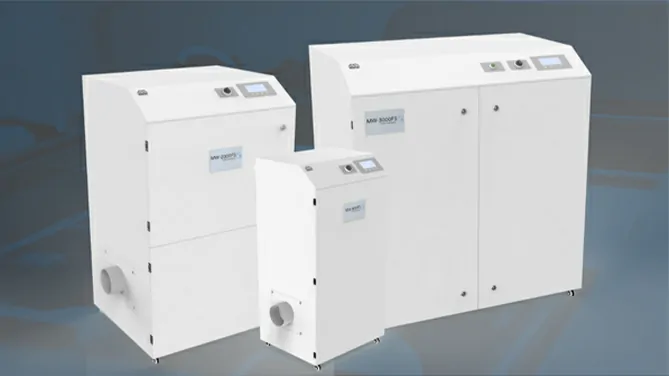
A proper fume extraction system is therefore an important part of a production setup, rather than an optional afterthought.
An 80W machine can work in either environment, but its practical positioning is closer to small-business production than casual hobby use.
A machine running several hours a day needs stable cooling, reliable motion components, adequate ventilation, and a structure designed for repeated operation.
An 80W configuration can therefore be a commercial machine when the complete system is built for the workload.
MimoWork positions its F100 as a mid-size laser for small businesses, with a 1000 × 600mm working area and 60W/80W power options.
MimoWork’s 80W configuration is centered around the F100 platform, which combines a 1000 × 600mm working area with 60W or 80W CO2 power options.
The F100 can be configured with different components depending on the production requirement, including an optional RF metal laser tube and motion-system upgrades.
This allows the machine to be considered as a production platform rather than a fixed specification package.
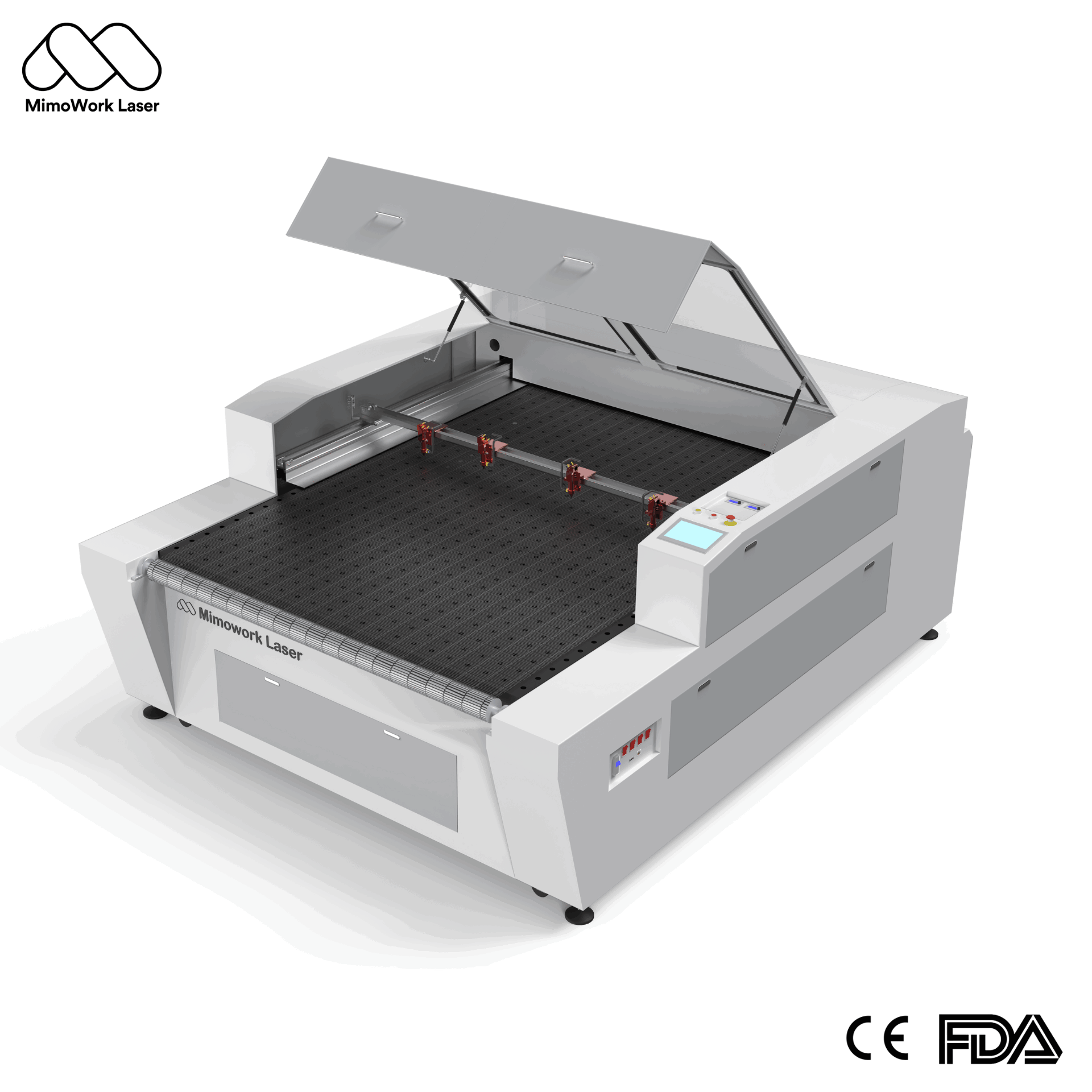
For businesses working with longer materials or repeated loading operations, a pass-through design can reduce the need to reposition material.
The value is practical: fewer loading steps can make a noticeable difference when the same type of job is repeated throughout the day.
For business investment, machine specifications are only part of the decision. Spare parts, technical support, installation guidance, and after-sales service can matter when the machine becomes part of daily production.
For buyers comparing 80W systems, it is worth checking the actual support structure rather than evaluating the laser tube alone.
Related Guide:Best CO2 Laser Engraver for Small Business: A Practical Buying Guide
What can an 80W CO2 laser cut? It can process materials such as acrylic, plywood, MDF, wood, leather, fabric, paper, and other compatible non-metal materials, with practical thickness depending on the specific material and machine configuration.
Glass CO2 tubes are common in cost-conscious cutting and engraving systems. RF metal tubes generally offer a finer beam profile, stable high-detail engraving, and longer operating life, but they also increase machine cost.
The better option depends on whether your priority is general cutting, detailed engraving, long-term production stability, or investment cost.
A practical reference for suitable materials is around 8–10mm for acrylic, while wood and plywood thickness can vary substantially according to species, density, glue composition, and machine settings.
Treat thickness charts as starting points rather than guaranteed specifications. Testing your exact material is the most reliable way to confirm cutting quality and production speed.
An 80W CO2 laser engraver is a practical choice for users who need more cutting capacity than 60W while still working mainly with non-metal materials.
For small-business production, the combination of 80W power, a suitable working area, stable cooling, air assist, fume extraction, and a reliable motion system is often more important than the wattage number alone.
For users comparing an 80W CO2 laser cutter with 60W or 100W systems, start with your actual material thickness, workpiece size, daily workload, and required cutting speed. From there, you can determine whether 80W gives you enough headroom or whether a larger, higher-power CO2 platform makes more sense.
Want to confirm whether 80W is enough for your material? Send your material type, thickness, workpiece size, and cutting file to MimoWork for a material test and configuration recommendation.