Blog
In a field that evolves daily, staying ahead means staying informed.
Explore in-depth articles designed to help you solve complex challenges,
maximize your machine’s ROI.
Stay ahead in a competitive market.


In a field that evolves daily, staying ahead means staying informed.
Explore in-depth articles designed to help you solve complex challenges,
maximize your machine’s ROI.
Stay ahead in a competitive market.
News | Jul-22-2026
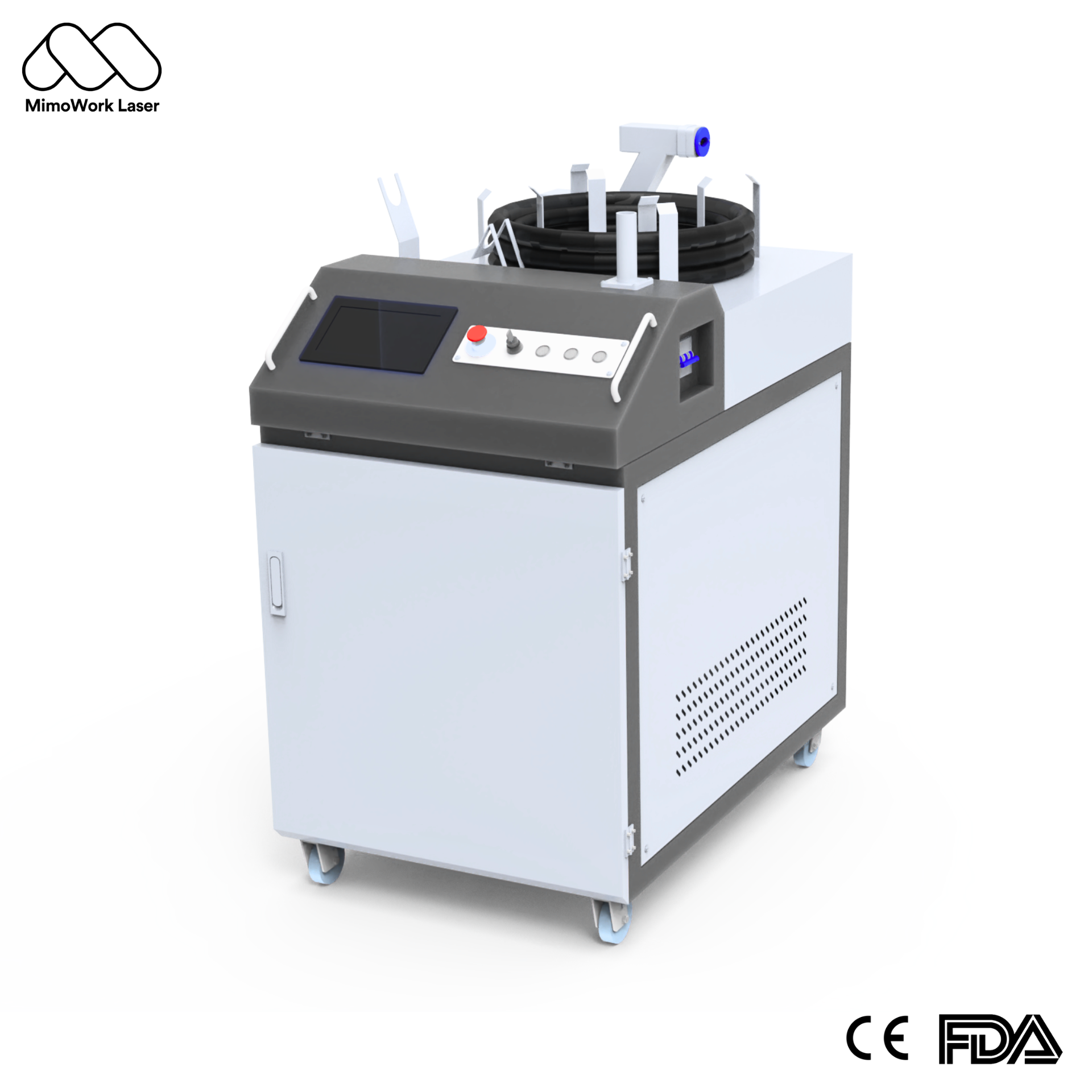
Metal fabrication, restoration, and heavy manufacturing industries have long struggled with the persistent challenge of surface oxidation, corrosion, and contaminants. Traditional cleaning techniques often rely on harsh chemicals, abrasive blasting media, or intense physical scraping that can compromise the underlying base material. Modern metalwork facilities increasingly rely on advanced optical thermal technology to achieve superior restoration results. At the heart of this eco-friendly evolution is the laser cleaning machine for rust removal, a specialized system engineered to target and strip away surface degradation without physical wear or tear.
The operational principle of an advanced fiber laser cleaning system relies on a concentrated, high-frequency pulsed beam of light directed through precision optics and a specialized scanning head. When this high-intensity beam strikes a rusted or oxidized metal surface, the corrosion layer absorbs the laser energy instantly. Because rust and contaminants have a much lower ablation threshold than solid base metals, the contamination layer vaporizes instantly into gas or fine dust particles via thermal shock, helping preserve the underlying substrate when proper laser parameters are selected. Furthermore, because no chemical solvents or physical blasting granules are involved, this process produces zero hazardous waste, making it an exceptionally clean operational workflow.
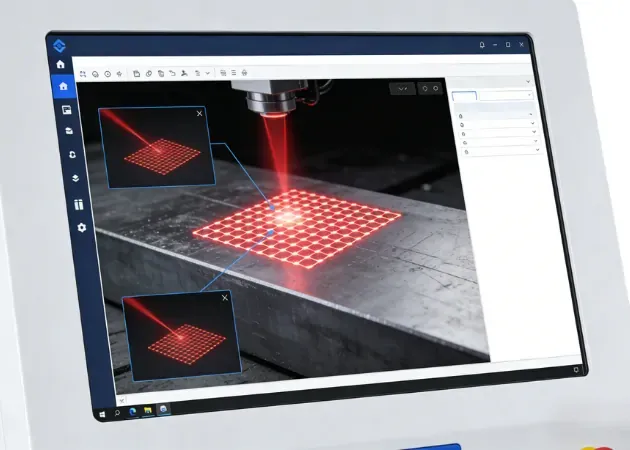
When comparing laser ablation to conventional mechanical blasting or chemical cleaning methods, several distinct operational differences emerge. Traditional sandblasting forces abrasive media against the metal at high velocity, which pits the substrate, wears down thin panels, and creates massive cleanup burdens for spent media. Chemical stripping involves toxic acids that pose safety risks to operators and require expensive hazardous disposal protocols. In contrast, a pulsed laser rust remover operates via non-contact thermal vaporization. The precise energy delivery targets only the unwanted oxidation, producing a clean, ready-to-finish metal surface without generating secondary waste.
| Comparison Parameters | Traditional Sandblasting & Chemical Stripping | laser cleaning machine for rust removal |
| Contact Type | High-velocity abrasive impact or toxic chemical immersion | Non-contact thermal ablation via targeted laser pulses |
| Substrate Impact | Pits metal surfaces, thins out panels, and causes structural wear | Zero physical wear; leaves underlying base metal completely undamaged |
| Environmental Impact | Generates hazardous chemical runoff and contaminated blasting media | Zero chemical waste, zero consumables, and safe eco-friendly operation |
| Cleanup Requirements | Extensive post-cleanup needed for spent grit, dust, and liquid disposal | Minimal residue collection easily handled by a standard extraction system |
Choosing the correct configuration for your industrial facility or restoration shop requires a careful evaluation of technical specifications, power output, and laser delivery mechanisms. Understanding these parameters ensures that your investment matches your cleaning speed and rust severity requirements.
Laser power directly dictates cleaning efficiency and production throughput. For light restoration tasks, delicate automotive parts, and minor surface oxidation removal, a 100W or 200W system provides a versatile balance of capability and precision, effectively handling localized corrosion without thermal distortion. For heavy industrial shipyards, structural steel maintenance, and demanding manufacturing environments requiring continuous operation on thick layers of scale and paint, power ratings between 1000W and 3000W are recommended. A reliable handheld laser cleaning system in this category enables efficient surface rust removal across large working areas.
Cleaning accuracy and depth control depend heavily on pulse frequency, waveform selection, and optical beam patterns. Higher frequency settings produce rapid, shallow micro-pulses that are ideal for delicate finishing and fine cleaning passes. Conversely, lower frequencies deliver high peak power bursts designed to shatter thick, stubborn corrosion layers. These dynamic energy outputs are directed through ergonomic handheld optics or automated gantry scanner heads, ensuring that every cleaning pass covers the target area uniformly across complex geometric shapes, welded joints, and hard-to-reach contours.
| System Specification | Entry-Level Configuration (100W–200W) | Industrial Production Configuration (1000W–3000W) |
| Target Application | Delicate restoration, automotive parts, light surface rust | Heavy ship hulls, structural steel, thick industrial scale and paint |
| Cleaning Speed | Optimized for intricate detailing and low-volume restoration tasks | High-throughput continuous cleaning for large-scale industrial surfaces |
| Beam Delivery | Lightweight handheld optical gun for flexible maneuverability | Heavy-duty industrial optical cable with customizable cleaning widths |
| Thermal Management | Compact air-cooled or basic portable chiller structure | Advanced heavy-duty water-cooling system for continuous multi-shift operation |
Different metal substrates and alloy compositions react uniquely to thermal energy. Mastering material behavior ensures optimal cleaning results and prevents common issues like base metal overheating or uneven surface finishes.
Metals such as stainless steel, carbon steel, aluminum, and cast iron have distinct thermal absorption rates. While rust and paint absorb laser wavelengths aggressively, reflective base metals like clean aluminum require careful parameter tuning to prevent beam reflection damage to internal optics. Utilizing a dependable fiber laser metal cleaning tool allows operators to adjust scanning widths, power attenuation, and pulse durations precisely, ensuring that the energy strips away oxidation while bouncing harmlessly off the polished substrate beneath.
Achieving a flawless metallic finish involves balancing optical scanning speed with energy density. Excessive power combined with a slow scanning motion can overheat sensitive alloys or leave localized thermal marks, while insufficient energy density leaves stubborn oxide layers behind. Operators must calibrate parameters on sample scrap sections before running full-scale restoration jobs. Fine-tuning the focal length of the cleaning head ensures that the beam width remains at its optimal energy distribution when striking the surface, guaranteeing complete corrosion removal.
| Metal Substrate | Primary Laser Interaction Behavior | Recommended Operational Focus |
| Carbon Steel & Iron | Absorbs laser energy efficiently; high corrosion contrast | Use higher power density to shatter heavy scale rapidly without altering structural strength |
| Stainless Steel | Responds exceptionally well; preserves corrosion resistance | Balance pulse frequency carefully to prevent heat tinting and preserve passive surface layers |
| Aluminum Alloys | Highly reflective surface requiring precise energy control | Adjust scan speed and wavelength settings to prevent beam reflection back into the optical lens |
Scaling a metal restoration or manufacturing workflow relies heavily on equipment reliability, minimal consumable overhead, and streamlined surface preparation management.
Modern metal preparation begins with integrated system controls that let operators switch between different cleaning profiles instantly. Dual functionality allows the system to transition smoothly from broad area rust stripping to fine weld seam cleaning simply by updating parameters within the digital control interface. This eliminates the tedious downtime associated with changing blasting nozzles, swapping chemical baths, or replacing worn-out abrasive pads, letting technicians move seamlessly between disparate tasks.
For workshops transitioning from traditional abrasive methods to advanced optical technology, long-term operational savings are paramount. Laser cleaning systems eliminate the continuous expense of purchasing sandblasting grit, chemical solvents, and hazardous waste disposal services. Because fiber laser sources feature a remarkably long operational lifespan with virtually zero physical wear components, maintenance is limited to periodic optical lens inspections and filter replacements, ensuring maximum uptime and low operating costs over years of service.
| Workflow Stage | Traditional Abrasive Workflow | Laser-Optimized Workflow |
| Consumable Costs | Continuous high expenses for sandblasting media and acids | Zero consumables; uses only standard electrical power and air assist |
| Downtime & Setup | Frequent media reloading, nozzle replacement, and safety prep | Instant digital startup and rapid profile switching via software |
| Waste Management | Expensive containment, cleanup, and hazardous disposal protocols | Simple dust extraction with zero toxic chemical runoff |
Yes, fiber laser cleaning systems are specifically engineered with selective ablation. Because rust, paint, and contaminants have a much lower ablation threshold than solid base metals, the laser energy vaporizes the oxidation layer instantly while bouncing off the undamaged metal substrate below, leaving zero pitting or structural thinning.
Low-power systems (typically 100W to 200W) are designed for delicate restoration, automotive parts, and light surface rust removal where portability and precision are crucial. High-power industrial systems (ranging from 1000W to 3000W) deliver massive energy density required for heavy ship hulls, structural steel maintenance, and continuous high-speed industrial scale removal.
Yes, laser cleaning operations require strict adherence to safety protocols. Operators and nearby personnel must wear certified laser safety glasses specifically rated for the operational wavelength of the fiber laser. Additionally, enclosed workspaces or laser safety curtains must be utilized to prevent direct or scattered beam exposure.
No, laser cleaning is an entirely dry, eco-friendly process. It does not use chemical solvents, acids, or abrasive blasting media, meaning it generates zero toxic runoff. The removed rust and contaminants are vaporized into fine dust particles, which are easily captured by a standard local dust extraction system.
Consistency is maintained by utilizing stable fiber laser sources, precise CNC scanning galvanometer heads, and proper optical maintenance. Because there are no physical contact tools to wear down or chemicals to dilute, the system delivers identical cleaning performance from the first hour of operation to the last.
Investing in a high-efficiency laser cleaning machine for rust removal transforms metal maintenance and restoration workflows, replacing hazardous chemicals and abrasive blasting with precise, eco-friendly thermal ablation. Whether you are tackling intricate automotive components or heavy industrial structural steel, utilizing advanced fiber laser technology ensures superior surface integrity and long-term operational savings. To explore professional-grade laser systems tailored to your specific workshop requirements and discover innovative manufacturing solutions, visit mimowork-laser today.
News | Jul-17-2026
News | Jun-15-2026
News | Jun-15-2026