Blog
In a field that evolves daily, staying ahead means staying informed.
Explore in-depth articles designed to help you solve complex challenges,
maximize your machine’s ROI.
Stay ahead in a competitive market.


In a field that evolves daily, staying ahead means staying informed.
Explore in-depth articles designed to help you solve complex challenges,
maximize your machine’s ROI.
Stay ahead in a competitive market.
News | Sep-24-2026
After welding, manufacturers often face a common challenge: the weld itself may be strong and reliable, but the surrounding surface does not always meet appearance or quality requirements.
Stainless steel weld seams, for example, often develop blue, yellow, brown, or black discoloration caused by oxidation during the welding process. These heat-affected areas may affect corrosion resistance, surface appearance, and the quality of subsequent processes such as coating, polishing, or inspection.
Traditional methods such as grinding, chemical pickling, and abrasive blasting can remove these unwanted layers, but they also introduce new problems, including surface scratches, material loss, chemical waste, and inconsistent finishing results.
A laser cleaning machine for weld seams provides a more precise solution by using controlled laser energy to remove welding oxide, discoloration, and contaminants without direct contact with the metal surface.
A laser cleaning machine for weld seams is an industrial cleaning system that uses focused laser energy to remove unwanted materials from welded metal surfaces.
During welding, oxidation and residue form because the metal surface is exposed to high temperatures and atmospheric oxygen. When laser energy is applied to the weld area, the contaminated layer absorbs the energy and is removed through thermal effects, while the underlying metal remains largely unaffected when the correct parameters are selected.
Unlike grinding or polishing, laser cleaning does not rely on physical friction. The process allows manufacturers to treat precise areas around weld seams while maintaining the original surface structure.
This makes laser cleaning particularly suitable for industries where weld appearance, precision, and surface consistency are important.
Welding discoloration is not only an aesthetic issue. For many industrial applications, the surface condition after welding directly affects product quality.
In stainless steel fabrication, oxidation around weld seams can reduce corrosion resistance if it is not properly treated. In industries such as food processing, medical equipment, and architectural metalwork, a clean and uniform surface is often required before the product can be delivered.
For manufacturers, the challenge is finding a cleaning method that removes oxidation effectively without damaging the welded component.
This is where laser cleaning provides an advantage. It focuses energy on the unwanted surface layer rather than mechanically removing part of the material.
The working principle of laser cleaning is based on the difference in absorption between contaminants and the base material.
Oxide layers, rust, and welding residues usually absorb laser energy differently from the underlying metal. When the laser beam scans across the weld seam, the contaminated layer absorbs sufficient energy to break away from the surface.
The cleaning process can be adjusted according to:
| Adjustment Factor | Influence on Cleaning Performance |
| Laser Power | Determines cleaning ability and processing speed |
| Scanning Speed | Controls treatment efficiency and surface effect |
| Pulse Frequency | Affects cleaning precision and energy distribution |
| Cleaning Width | Determines coverage area for different applications |
Because these parameters can be controlled, laser cleaning can be adapted for different metals, weld types, and production requirements.
Different industries use different approaches for weld seam treatment. However, as production requirements become more demanding, manufacturers are increasingly looking for cleaner and more consistent solutions.
| Cleaning Method | Advantages | Limitations |
| Grinding | Simple process and widely available | Creates scratches, generates dust, requires manual labor |
| Chemical Pickling | Effective for oxide removal | Requires chemical handling and waste treatment |
| Sandblasting | Suitable for large surfaces | May affect surface roughness and requires consumables |
| Laser Cleaning | Precise, non-contact, low waste, controllable process | Requires initial equipment investment |
For companies producing high-value metal components, laser cleaning can help reduce rework and improve surface consistency.
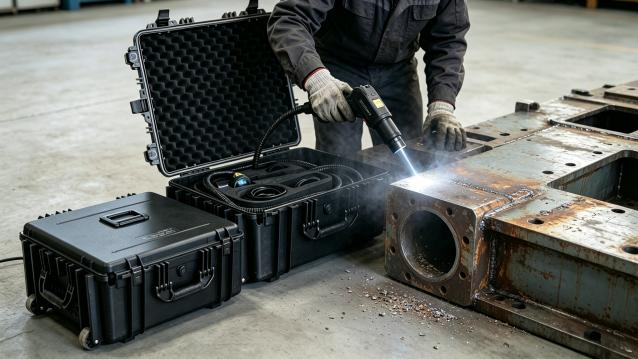
Stainless steel is one of the most common materials requiring weld seam cleaning.
After TIG or laser welding, manufacturers often need to remove heat discoloration while maintaining the smooth appearance of the stainless-steel surface.
Typical applications include stainless steel tanks, pipes, kitchen equipment, and customized metal structures.
A laser cleaning machine allows operators to clean the affected welding area without creating visible grinding marks.
In general metal fabrication, weld seams often require additional surface preparation before painting, coating, or final inspection.
Laser cleaning can remove:
This helps manufacturers create a cleaner surface before the next production step.
Automotive parts and industrial assemblies often require consistent weld quality.
Laser cleaning can be used before coating, inspection, or assembly processes where surface contamination may influence final performance.
One of the biggest advantages of laser cleaning is that it provides a controlled cleaning process without physically touching the workpiece.
Compared with manual grinding, laser cleaning reduces the risk of scratches and unwanted material removal. This is especially valuable for thin metal components or products where surface appearance is important.
Another advantage is improved production efficiency. Manual weld cleaning usually depends heavily on operator skill and physical effort. For manufacturers processing many welded components, laser cleaning can help create more consistent results.
In addition, laser cleaning produces fewer consumables compared with abrasive methods. This can simplify workflow management and reduce the amount of secondary waste generated during surface preparation.
Related Guide: Best Laser Cleaning Machine in 2026: How to Choose the Right Setup for Eco-Friendly, Precision Rust & Paint Removal
Choosing a laser cleaning machine should be based on the actual production requirement rather than only the laser power.
The first consideration is the material being processed. Stainless steel, carbon steel, aluminum, and other metals may require different cleaning parameters.
The second factor is the type of contamination. Light welding discoloration requires different settings compared with heavy oxidation, rust, or coating removal.
Production volume is also important. A manufacturer cleaning occasional repair parts may prioritize flexibility, while a production facility may need higher-speed operation and continuous working capability.
Before purchasing, companies should evaluate:
| Selection Factor | Key Question |
| Material Type | What metals will be cleaned? |
| Weld Condition | Is the target oxide, discoloration, rust, or residue? |
| Production Volume | Is cleaning occasional or continuous? |
| Surface Requirement | Is appearance or coating preparation the priority? |
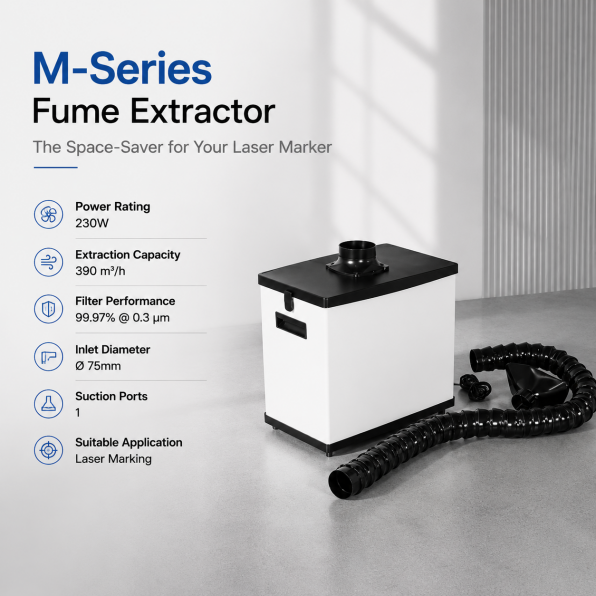
| Working Environment | Is proper fume extraction available? |
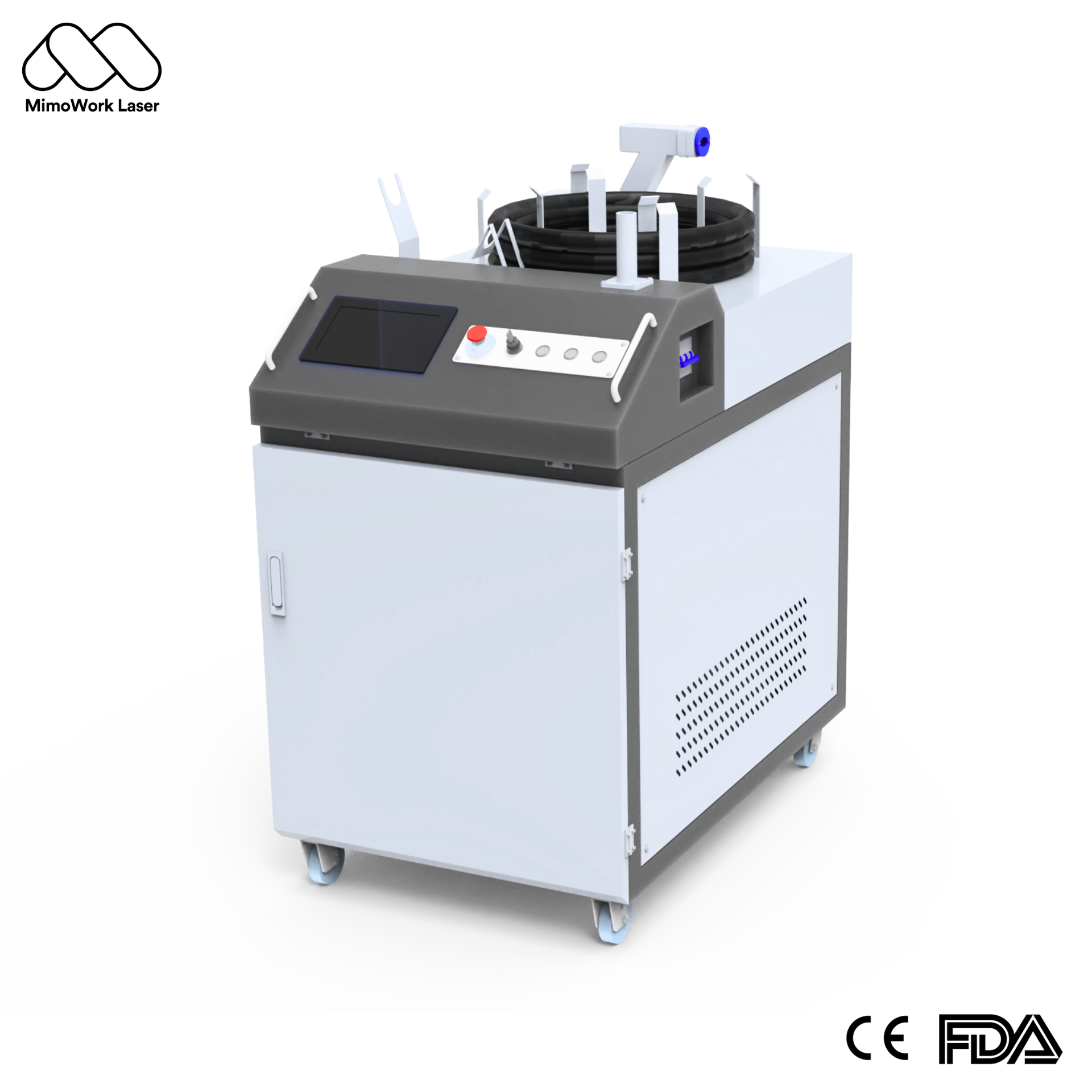
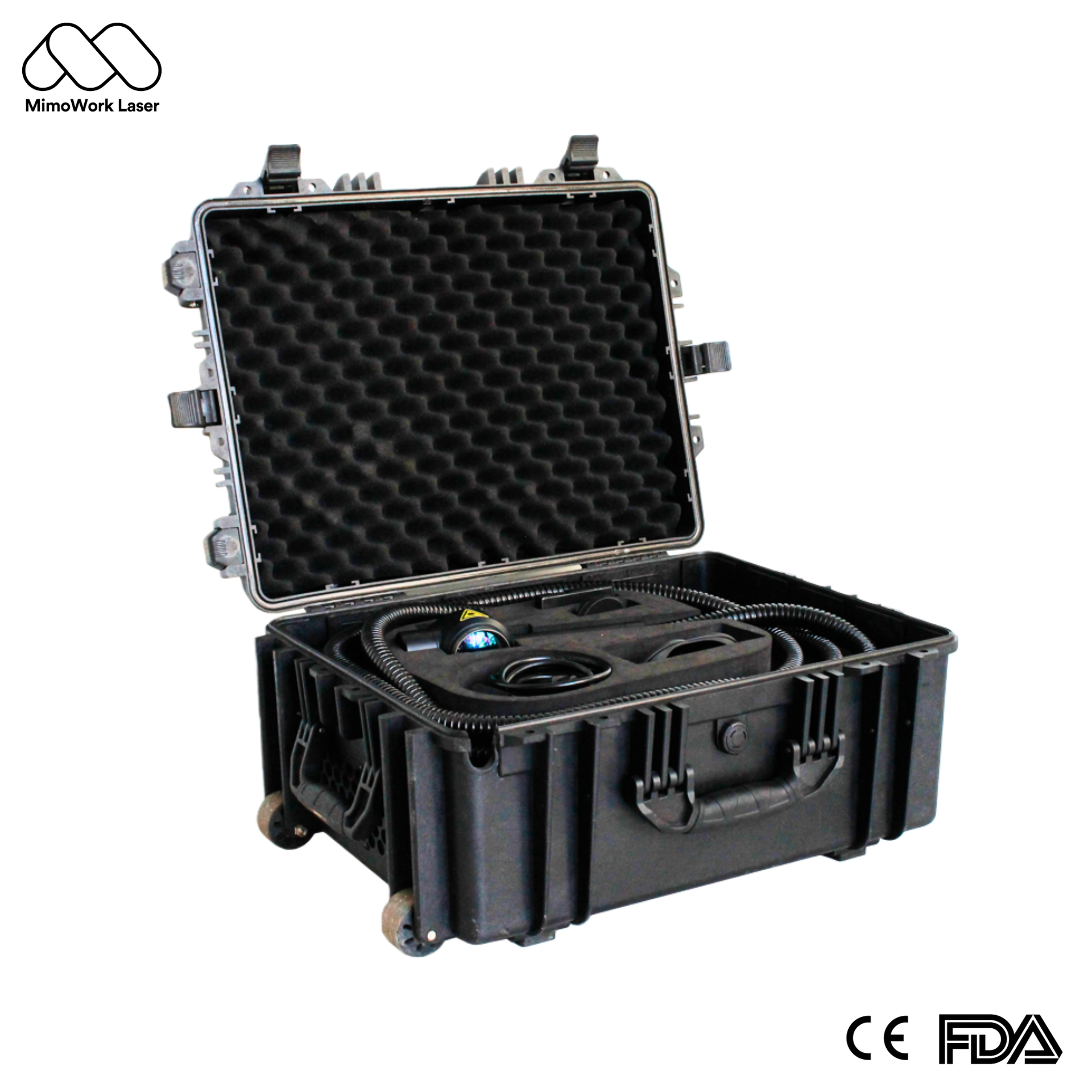
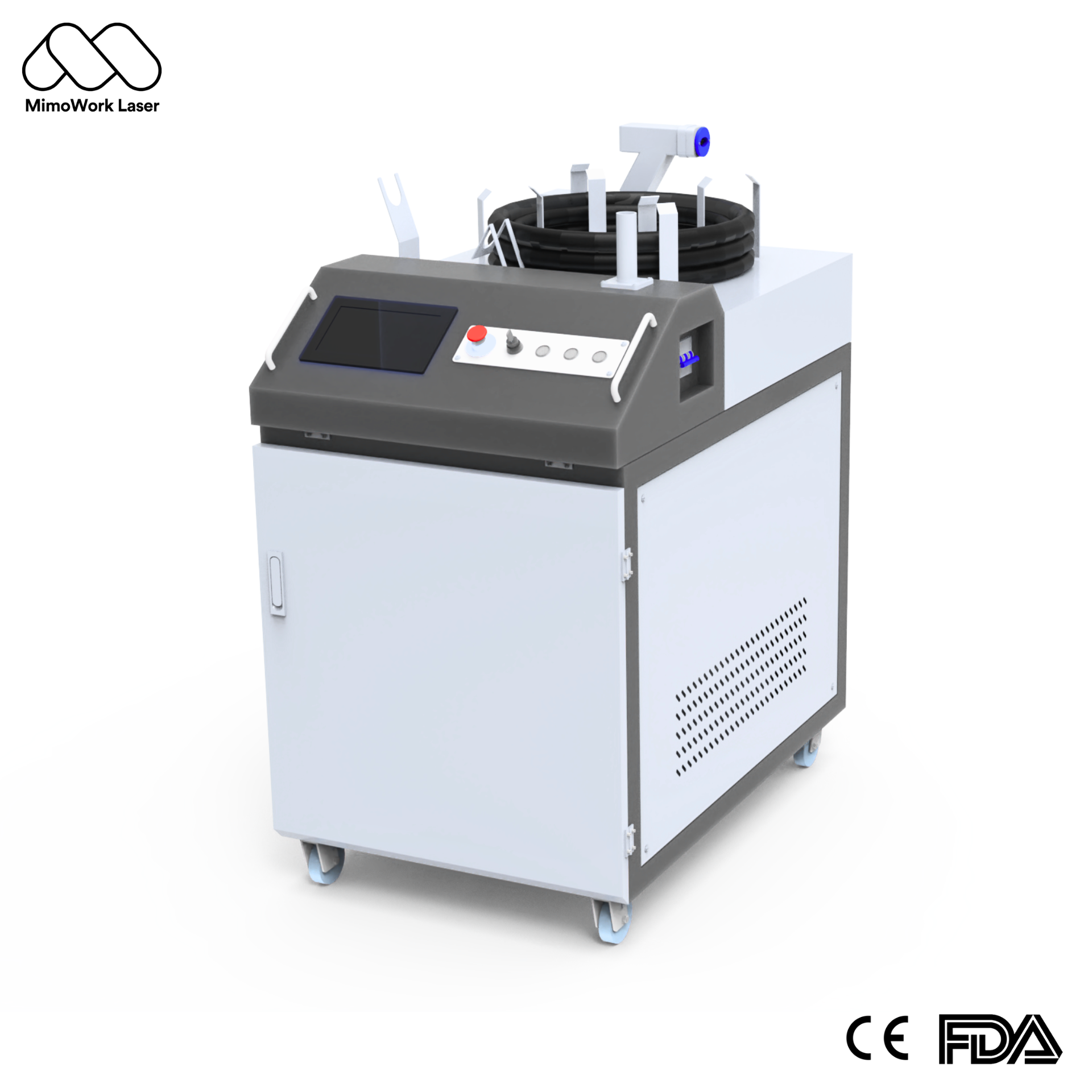
MimoWork laser cleaning machines are designed for industrial surface treatment applications, including weld seam cleaning, rust removal, and metal surface preparation.
The system provides a non-contact cleaning process that allows manufacturers to remove unwanted surface layers while maintaining the integrity of the base material.
For welding manufacturers, metal fabricators, and industrial users, laser cleaning offers a practical alternative to traditional grinding and chemical treatment methods, especially when surface quality and production efficiency are important.
Yes. Laser cleaning is commonly used for stainless steel weld seam treatment. It can remove oxide layers and heat discoloration caused during welding while preserving the original metal surface when properly configured.
Laser cleaning is a non-contact process. When suitable laser parameters are selected, it can remove surface contaminants without causing mechanical damage such as scratches or deformation.
The suitable method depends on the application. Grinding remains a common solution for some basic applications, but laser cleaning provides advantages in precision, cleanliness, and surface protection.
Laser cleaning machines can typically process various metals, including stainless steel, carbon steel, aluminum, and other industrial materials.
Yes. During cleaning, removed contaminants may generate particles and fumes. A suitable extraction system helps maintain a safer working environment.
A laser cleaning machine for weld seams provides manufacturers with a modern approach to removing welding oxide, discoloration, and surface contaminants.
Compared with traditional grinding and chemical cleaning methods, laser cleaning offers better control, reduced surface damage risk, and a cleaner production process.
For companies that need consistent weld finishing quality, especially in stainless steel fabrication and industrial manufacturing, laser cleaning is becoming an effective solution for improving both production efficiency and surface quality.
News | Aug-6-2026