Blog
In a field that evolves daily, staying ahead means staying informed.
Explore in-depth articles designed to help you solve complex challenges,
maximize your machine’s ROI.
Stay ahead in a competitive market.


In a field that evolves daily, staying ahead means staying informed.
Explore in-depth articles designed to help you solve complex challenges,
maximize your machine’s ROI.
Stay ahead in a competitive market.
News | Oct-13-2026
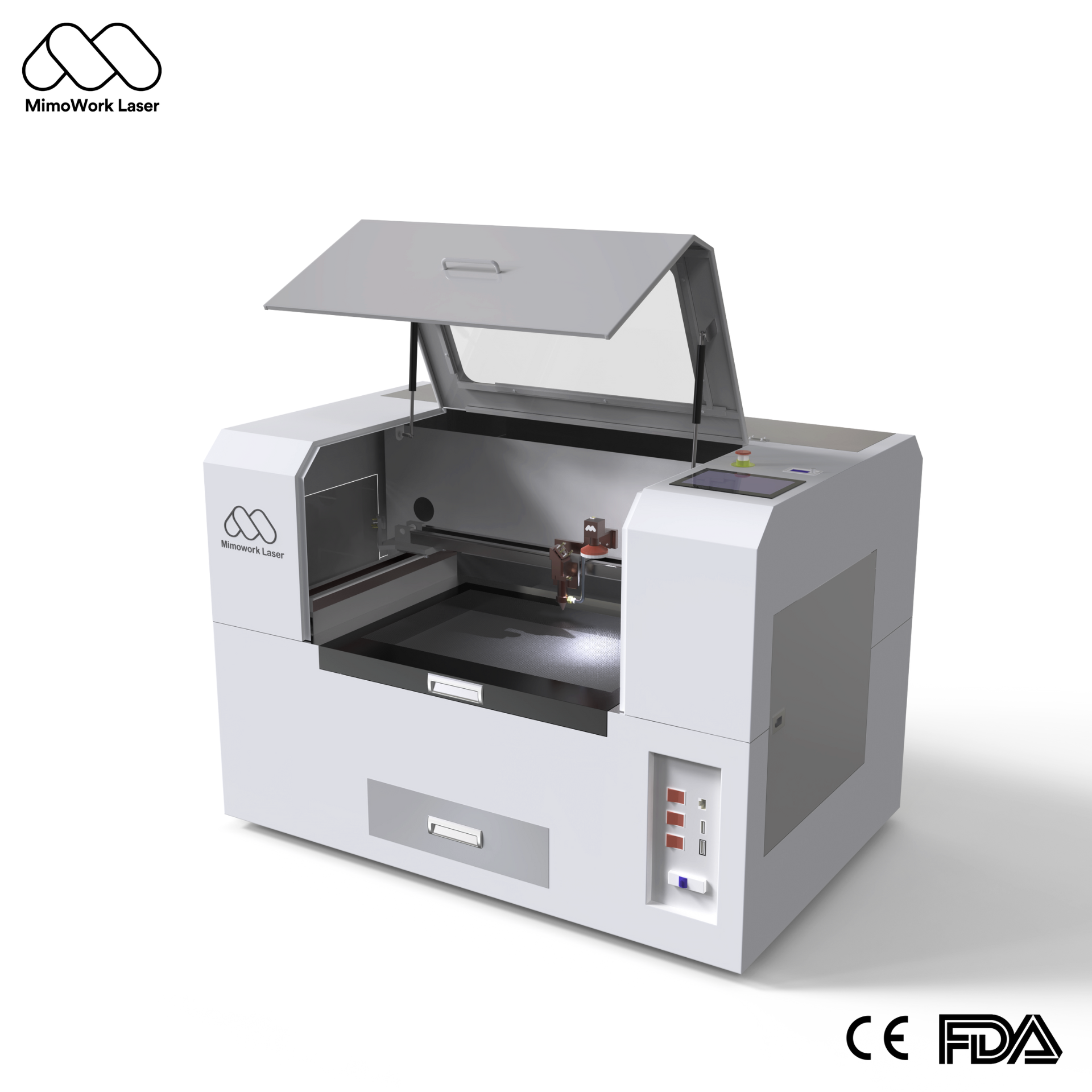
A 100W CO2 laser cutter offers a practical balance of cutting capability, versatility, and investment for businesses processing wood, acrylic, leather, fabric, and other compatible non-metal materials. It can handle a variety of cutting and engraving jobs for signage, displays, customized products, and small-batch manufacturing.
However, laser power alone does not determine productivity. Material thickness, working area, motion performance, cutting quality, and fume extraction all affect the finished result. Before investing in a laser cutter co2 100w system, evaluate your production requirements, compare machine specifications, and test your actual materials.
A 100W CO2 laser can process many non-metal materials, although its performance depends on material composition, thickness, focus, air assist, and machine configuration.
| Material | Common applications | Key considerations | Material |
| Wood and plywood | Signs, ornaments, decorative panels | Resin, grain, and thickness affect results | Wood and plywood |
| Acrylic | Displays, lettering, light boxes | Confirm acrylic type and thickness | Acrylic |
| Leather | Accessories, patches, labels | Check tanning chemicals and material composition | Leather |
| Fabric and felt | Appliqués, garment components | Test for scorching, melting, and edge quality | Fabric and felt |
Thicker materials generally require slower processing and careful parameter adjustment. Wood composition, acrylic formulation, and fabric construction can also affect edge quality and cutting consistency.
Standard CO2 laser cutters are not the default solution for cutting bare metals. Businesses focused on metal fabrication should evaluate appropriate fiber laser systems. Always verify material safety information before processing unfamiliar plastics, coatings, or composites.
For many small and medium-sized businesses, 100W provides useful cutting capacity without immediately moving to a higher-power system. Whether it is sufficient depends on your regular materials, thickness requirements, production volume, and desired edge quality.
A 100W machine can support sign-making, acrylic display production, leather accessories, and selected textile applications. Businesses producing customized products may also benefit from switching between cutting and engraving jobs.
Before purchasing, test your most frequently used materials at their actual production thicknesses. Record cutting time, edge quality, repeatability, and finishing requirements rather than relying on advertised capabilities alone.
Higher power can increase cutting speed or enable thicker-material processing under suitable conditions. However, actual production speed also depends on acceleration, motion control, design complexity, and material handling.
For intricate designs containing many small curves, motion performance can significantly affect cycle time. Loading, unloading, and material positioning also influence daily output. A machine with higher wattage may not deliver proportionally higher productivity if other parts of the workflow become bottlenecks.
Choose 100W when your usual materials, thicknesses, and production volume fit its tested performance. Consider 150W or higher when thicker materials are common or cutting time consistently limits throughput.
If the main problem is oversized workpieces, a larger working area may offer more value than additional power. Identify your actual production bottleneck before upgrading.
Measure your largest workpiece and the sheet sizes you purchase regularly. A suitable working area can reduce repositioning and improve material utilization.
Also consider the machine footprint, loading access, maintenance clearance, and available floor space. Businesses processing large panels or continuous materials may benefit from pass-through designs or conveyor systems.
CO2 laser cutters commonly use glass laser tubes, while some systems use RF metal tubes. Their operating characteristics, maintenance requirements, and costs vary.
100W laser tube life depends on tube construction, cooling, operating conditions, and maintenance. Rather than relying on a generic lifespan estimate, ask the supplier about the specific tube model, rated service life, warranty coverage, replacement cost, and recommended operating limits.
Also confirm whether the machine requires a separate cooling system and what routine maintenance involves. Reliable technical support and replacement-part availability are particularly important for commercial users because tube-related downtime can interrupt production.
Related guide: https://www.mimowork-laser.com/blog/laser-cutting-fumes-extractor-guide
Maximum speed does not guarantee actual production output. Ask for sample tests using your own materials and cutting files.
Evaluate cutting time, edge consistency, engraving detail, repeatability, and performance on intricate shapes. These results provide a more realistic comparison than headline speed specifications alone.
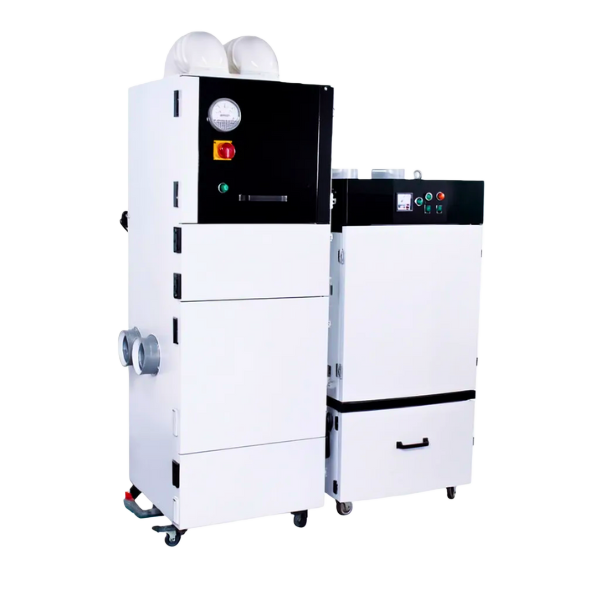
Air assist helps clear debris from the cutting zone and manage combustion during processing. A suitable extraction system removes smoke and airborne particles generated during cutting and engraving.
Select extraction equipment according to the machine, materials, ducting, and operating conditions. Cooling, exhaust routing, routine cleaning, and fire prevention should also be included in the installation plan. Never leave laser processing unattended.
The main difference between 60W, 100W, and 150W machines is their available power and potential cutting capacity. Actual performance varies with material, thickness, optics, and machine configuration.
| Buying factor | 60W | 100W | 150W |
| Typical workload | Lighter applications | Mixed production jobs | More demanding cutting jobs |
| Cutting capacity | Less power headroom | Balanced capability | Greater power headroom |
| Processing speed | Suitable for compatible lighter jobs | May improve throughput on suitable materials | May reduce cycle time for demanding jobs |
| Investment | Generally lower | Depends on configuration | Generally higher |
| Best fit | Modest workloads | Versatile small-business production | Thicker stock or higher throughput targets |
A 60W machine may suit smaller workshops processing lighter materials and modest order volumes. A 100W model offers more power headroom for varied jobs and may improve cutting performance on suitable thicker materials.
A 150W machine may reduce cutting time for demanding jobs and provide additional capacity for thicker stock. However, the improvement depends on material, required edge quality, motion performance, and machine configuration.
List your main materials, typical thicknesses, largest workpieces, and target output. Test representative jobs on candidate machines, then compare cycle time, quality, maintenance, and total investment. Select power according to routine production needs rather than occasional maximum requirements.
The price of a 100W CO2 laser cutter varies with working area, laser tube type, motion system, cooling, software, enclosure, and included accessories. Automation and material-handling options can further affect the initial investment.
When comparing quotes, check whether installation, training, extraction, warranty coverage, spare parts, and technical support are included. Also account for electricity, consumables, maintenance, labor, and downtime when estimating long-term operating costs.
For commercial buyers, cost per finished product can be more useful than purchase price alone. Calculate realistic cycle times and expected production volume to understand how the machine may affect unit costs and order capacity.
Prepare a list of your main materials, thickness ranges, product dimensions, and expected order quantities. Request sample tests using representative jobs and record cutting time, edge quality, scrap, and finishing requirements.
Check access to optics, rails, belts, cooling components, and the laser tube. Ask about maintenance schedules, troubleshooting procedures, replacement-part availability, and operator training.
A clear maintenance plan and responsive technical support can help reduce downtime and keep production schedules predictable.
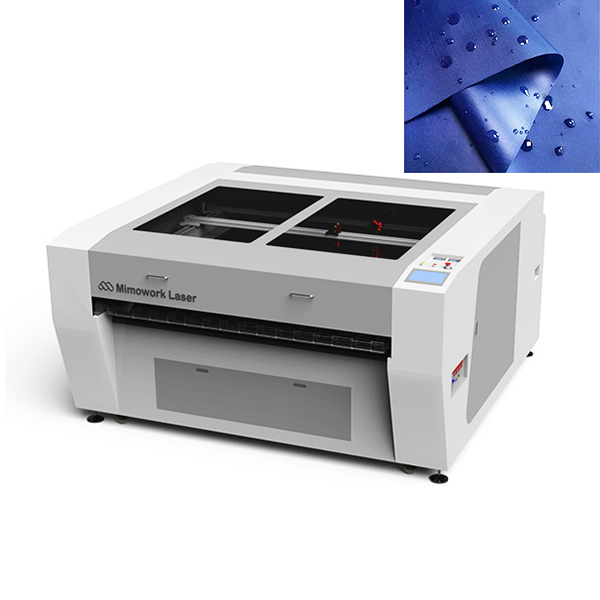
Conveyor feeding may support continuous material processing, while vision positioning can help align cutting paths with printed patterns. Larger working areas accommodate oversized panels and reduce repeated repositioning.
Choose automation only when it addresses a specific production bottleneck. Evaluate the complete workflow instead of paying for features your business may rarely use.
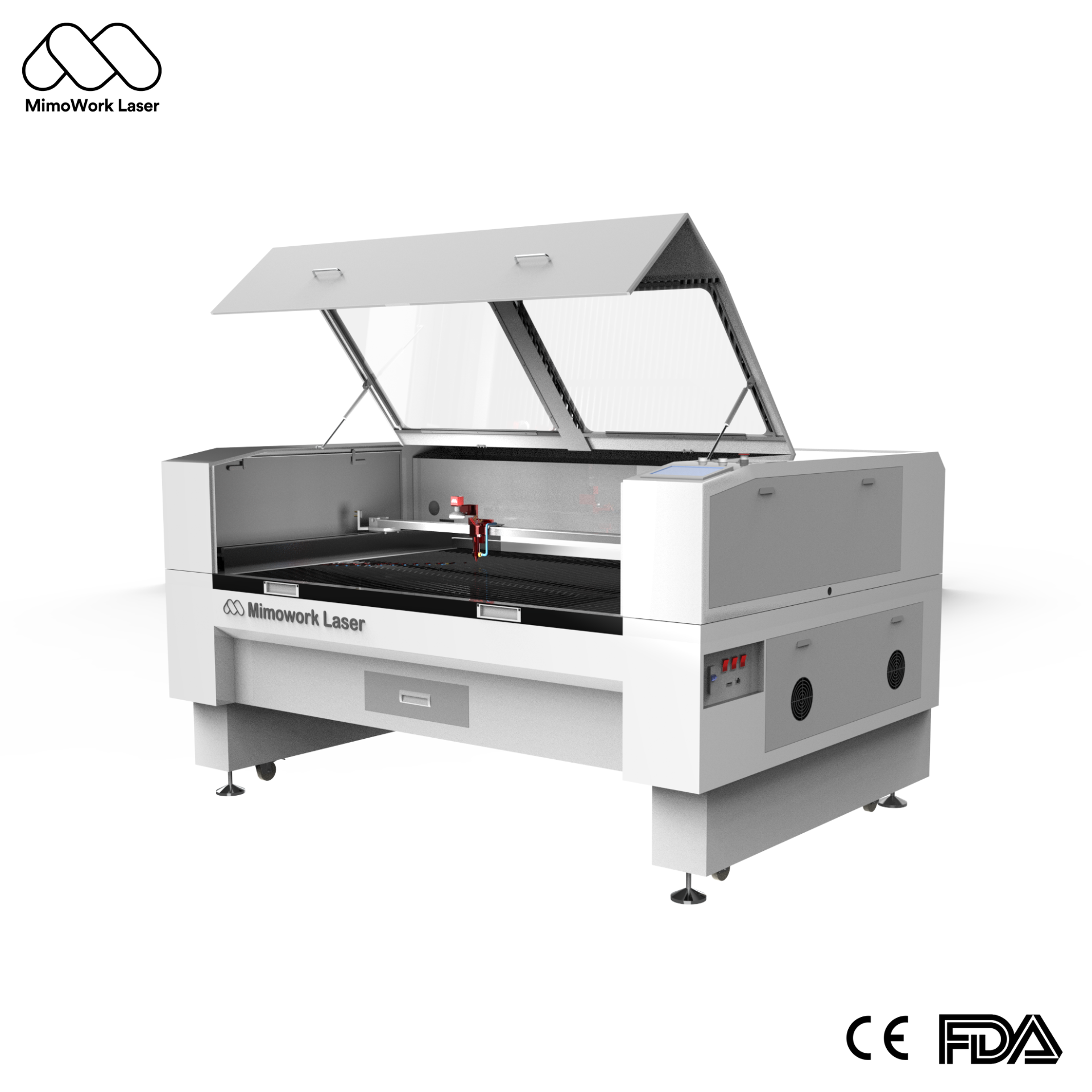
MimoWork offers CO2 laser cutting configurations for different material sizes and production workflows. Although not every model is a 100W machine, comparing working areas and available power ranges can help you identify a suitable configuration.
F60: 600 × 400 mm working area with 60W power for compact applications.
F100: 1000 × 600 mm working area with 60W or 80W options and LightBurn compatibility for small workshops and customized products.
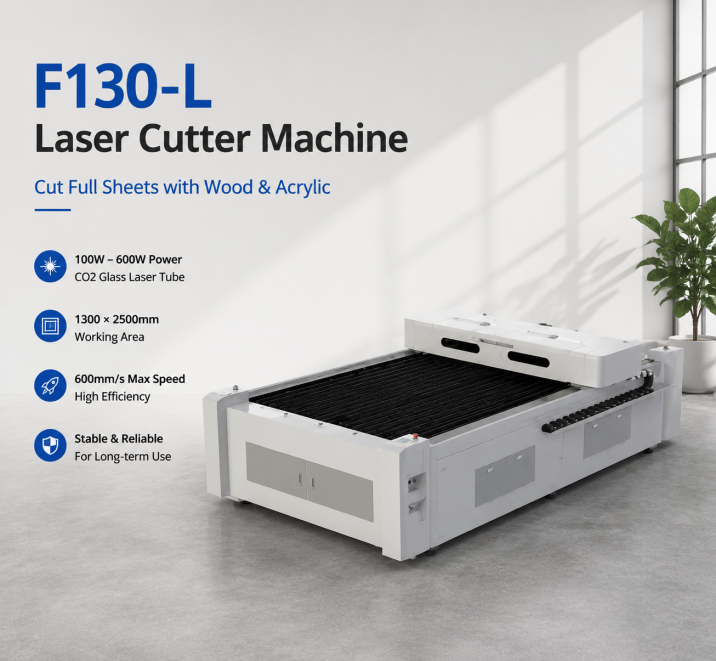
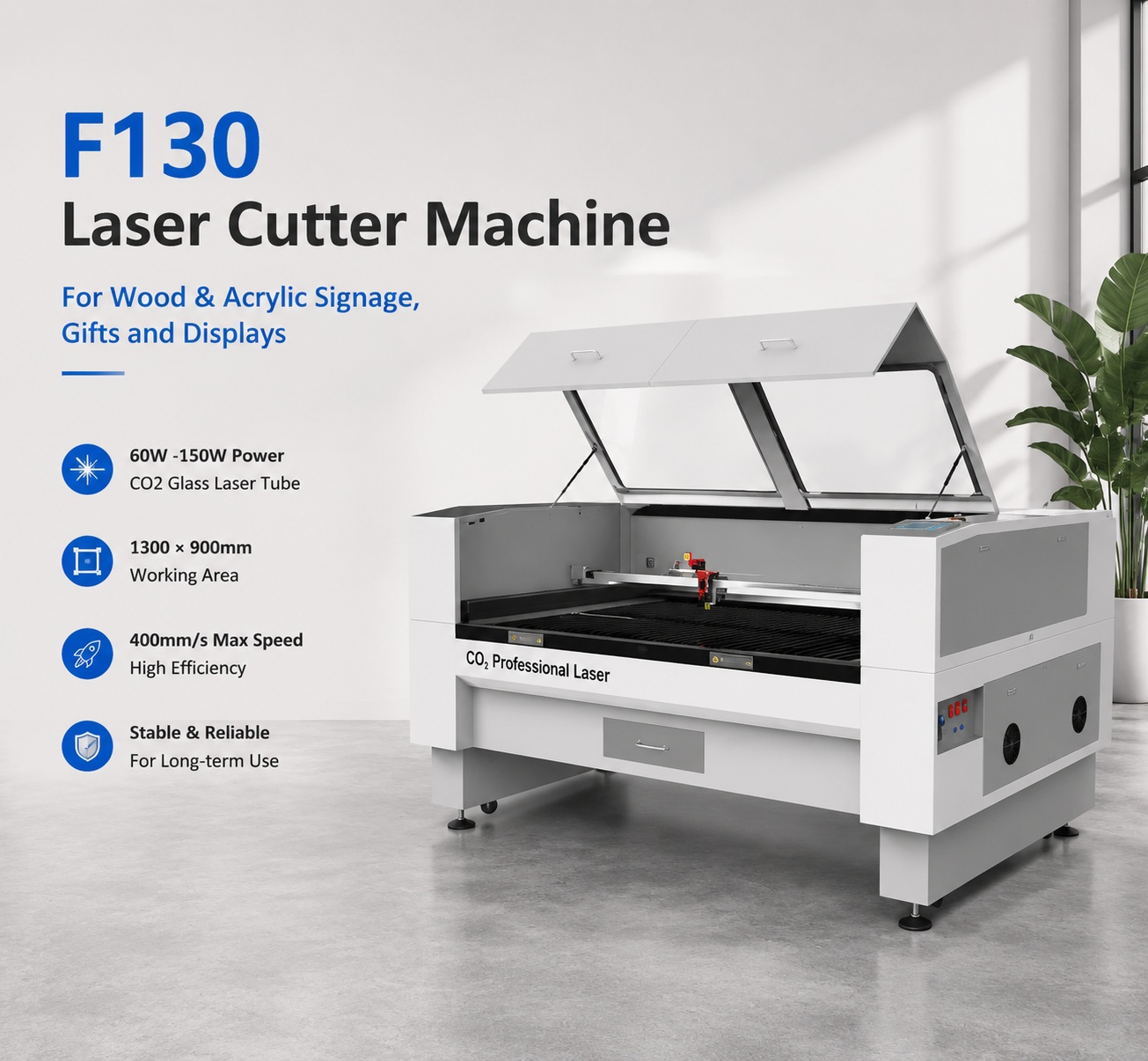
F130: 1300 × 900 mm working area with 60W–150W options for varied sheet-processing applications.
It can process many compatible non-metal materials, including wood, plywood, acrylic, leather, paper, cardboard, and selected fabrics. Results depend on material properties, thickness, and machine settings. Test unfamiliar materials before production.
A 100W machine can support many small-business applications, including signage, displays, accessories, and customized products. Confirm material compatibility, cutting speed, working area, and expected output through sample testing before investing.
Service life depends on tube design, cooling, operating conditions, and maintenance. Check the manufacturer’s specifications, warranty, and replacement costs before purchasing. Ask the supplier about the expected service life of the exact tube installed in the machine.
Yes, it can suit small-batch manufacturing and regular cutting or engraving jobs when its working area, tested cutting capacity, and production speed match the workload. Higher-volume operations may need a larger working area, automated material handling, or more power.
Choose more power when material thickness or cutting time is the main limitation. Choose a larger working area when workpieces do not fit comfortably or frequent repositioning slows production. If both factors limit output, compare the total cost of upgrading the machine and supporting equipment.
The right machine should meet your material requirements, fit your workspace, and deliver the output your business needs without unnecessary operating costs.
Before ordering, test your actual materials and cutting files, compare finished-edge quality, and calculate the time required for a complete job. Include extraction, cooling, maintenance, and material handling in your assessment.
Contact MimoWork to discuss your materials and production goals. A practical material test can help you determine whether a 100W CO2 laser cutter is sufficient or whether a different power level or machine format is a better fit.
News | Sep-21-2026